




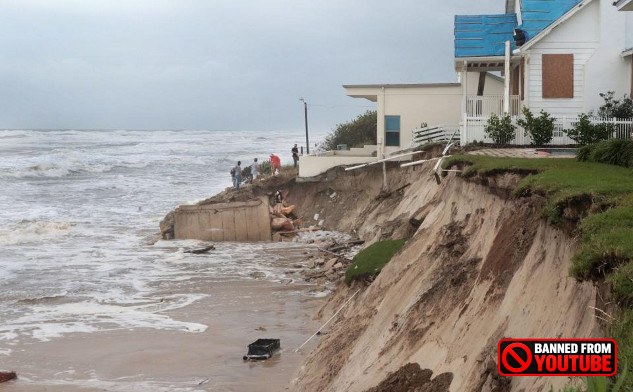
]Hurricane Nicole damaged the world's most famous beach in Florida, Daytona Beach, in November 2022. I later dodged a hurricane Fionia in Nova Scotia before heading back to Florida, where Hurricane Ian had just devastated Fort Meyers Beach, Florida..
In 2021, the United States witnessed the impact of natural hazards on nearly one in 10 homes. As climate change continues to shape our environment, it becomes imperative to identify the riskiest regions in the country. Understanding the factors influencing migration patterns and choices of where to live can shed light on the complexities of climate change adaptation. In this article, we will explore the hazardous effects of climate change, focus on Phoenix, Arizona, as a potential riskiest place, delve into migration patterns, discuss the importance of information and preparedness, and unveil the county that tops the list of the riskiest regions.
Impact on Homes and Migration Patterns
Climate change has profoundly impacted US homes, with natural hazards affecting a significant portion of the population. In 2021 alone, nearly one in 10 households faced the consequences of extreme weather events, from floods and storms to wildfires and droughts. Interestingly, while many home buyers and sellers acknowledge the influence of climate change on their decisions, migration patterns tell a different story. People seem to be moving in harm's way, settling in regions with high climate risks.
To make matters even worse, insurance companies are pulling out of high-risk areas or raising their prices considerably for those in less risky areas. Recently, major insurance companies pulled out of Florida and California while others filed for bankruptcy, leaving homeowners unpaid.
Identifying the riskiest regions, however, is no easy task. Even though some places face an elevated number of hazards due to climate change, predicting the riskiest regions for the future remains a challenging endeavor. The complexity arises from the convergence of multiple factors, making it difficult to pinpoint the single riskiest place.
Analyzing Climate Hazards in the US
Experts have examined projections and mapped out potential risks to understand climate hazards across the US better. Researchers have classified regions as safe or risky based on how they expect the climate to change by the middle of the century. The humid climate niche, characterized by mean annual temperatures around 55 degrees Fahrenheit, is shifting northwards, rendering some currently cold places safer in the future due to the reduction of extreme cold weather risks.
Regarding specific hazards, flooding significantly threatens coastal towns and regions like West Virginia. Rising sea levels and heavy rains expected in some areas will increase the vulnerability of properties to floods. For instance, Cape Coral, Florida, and New Orleans are projected to see a substantial percentage of properties at risk of flooding by 2050.
Storms, including extreme precipitation events, are causing increasing damage as the climate warms. Storms most impact the Northeast and cities like Portland and Seattle. Meanwhile, fire risks are predominantly concentrated in the Western and Southeastern US, particularly in areas with dry conditions.
Projected drought impacts reveal that regions heavily dependent on water from the Colorado River face severe water-use cuts. Lastly, heat presents a significant risk, with regions like Florida, Texas, and Arizona experiencing dangerously high temperatures. The combination of heat and humidity in Florida poses additional health risks, making it harder for the body to cool itself through sweating.
Focus on Heat and Phoenix, Arizona
Among all the hazards, extreme heat emerges as a critical risk factor. Phoenix, Arizona, stands out as one of the hottest places in the US, making it highly susceptible to climate change impacts. The projected number of days with temperatures over 100 degrees in 2053 is alarming, pointing to the severe challenges posed by extreme heat.
Given its significant climate risks, one might wonder why people continue to move to regions like Phoenix. The answer lies in economic factors and opportunities. High living costs in coastal areas force people to seek more affordable housing options, even if it means moving to riskier regions. In contrast, individuals leaving the Midwest seek better economic prospects in places with more economic prosperity.
The paradox of migration to high-risk regions despite climate hazards raises questions about the influence of information and preparedness. According to Jesse Keenan's research, human behavior and perception of risks are intrinsically linked. While our brains are wired to react to immediate dangers, slow and incremental risks, like climate change, often go unnoticed.
The Riskiest Place: Beaufort County, South Carolina
 Home of the US Marine Corps recruit training depot Paris Island, SC. I graduated from basic training in 1962. It was plenty hot and humid them. No doubt, it will have to be closed as the future wet bulb temperature will make it unsafe for the rigorous training required.
Considering all the combined risks, one county is the riskiest in the US – Beaufort County, South Carolina. This county faces numerous natural hazards, including impacts on crops and wet bulb temperatures. Wet bulb temperatures, a dangerous combination of heat and humidity, make it challenging for the human body to cool down, posing serious health risks.
Beaufort County's vulnerability to many hazards makes it a precarious place to live, and its position as the riskiest county warrants closer attention. As we face the impacts of climate change, it becomes crucial to understand the factors contributing to heightened risks in various regions.
Climate change poses significant risks to regions across the US, with natural hazards impacting many homes. Despite acknowledging the influence of climate change on their decisions, people continue to move into high-risk areas, driven by economic factors and opportunities. The identification of the single riskiest place is a complex task. Still, regions like Phoenix, Arizona, and Beaufort County, South Carolina, stand out as potential high-risk regions due to extreme heat and multiple climate hazards.
Information and preparedness play critical roles in addressing climate change risks. Individuals can make informed decisions and take necessary steps to mitigate risks by providing access to long-term hazard information. Both individuals and governments must prioritize preparedness and adaptation to avoid the potential damages posed by climate change.
jennings_bio
books_impacts