Will America Take Two Steps Forward or Another Step Back
A familiar movie became a mirror. Watching The King and I again, something shifted, not in the film, but in the questions it started asking about power, kneeling, and who gets to...
Read more

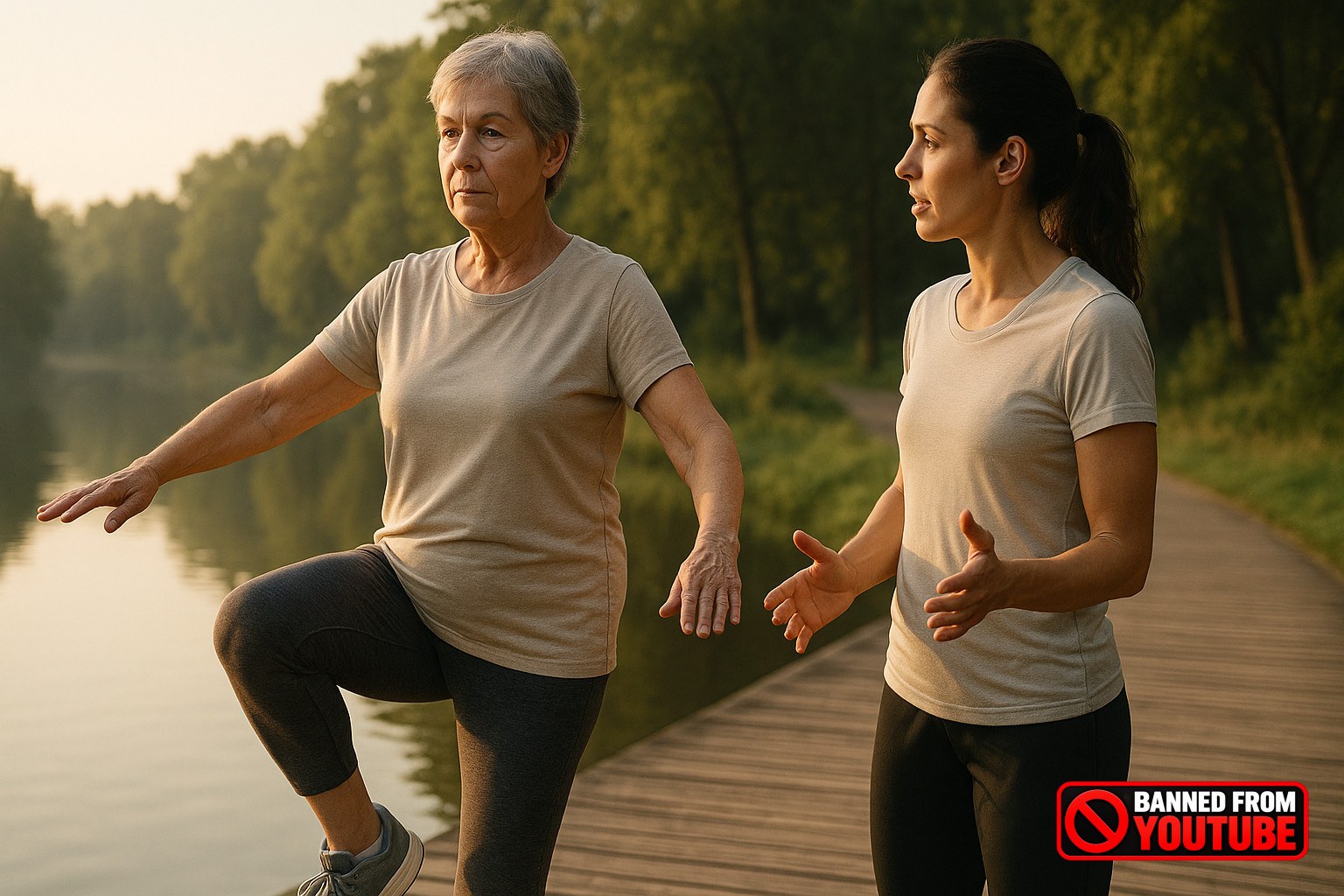
Most people don't think about balance until the day they grab a wall to keep from going down. That grab is your nervous system waving a flag. The good news is your brain is far more trainable than anyone told you, and it's not too late to start the conversation.

Somewhere around their seventies, a lot of people start shrinking in ways that have nothing to do with height. They grip things a little less firmly. They hesitate at curbs. They stop trusting their own legs. Medicine has a name for this: frailty. And here is the part nobody tells you plainly enough — most of it is not inevitable, and a surprising amount of it is reversible with tools so simple they seem almost insulting.

When inflammation persists despite eating reasonably well and tests showing "mostly normal" results, the problem often isn't a specific food but how your body handles sugar, starch, and insulin. Insulin resistance and liver stress create a cascade of inflammation that standard approaches miss entirely. Understanding this metabolic pattern reveals why conventional anti-inflammatory advice sometimes fails and what actually works to reduce inflammation at its source.

Physicians and stressed-out city dwellers are embracing a simple practice with ancient roots called forest bathing. It is not hiking and it is not a fitness trend. It is the quiet art of letting the woods recalibrate your nervous system. The payoff is practical and personal. Lower stress. Better sleep. Clearer thinking. A steadier mood. You do not need gear or perfection. You only need trees and time.

The 2025 government shutdown isn’t a budgeting exercise. It is a mirror held up to a political habit that never seems to die. EMTALA—the Reagan-era law requiring hospitals to treat anyone in an emergency—was once sold as a moral floor. Today, the same party that wrote it waves it like a warning flag and blames Democrats for the bill. That’s not governance. That’s a shell game with the lights off and your wallet on the table.

As winter COVID surges escalate, mRNA cuts in vaccine research and funding shortfalls may hinder vital protection, raising concerns not only about infection but also the risk of cancer relapse, given new evidence that respiratory infections can awaken dormant tumor cells. This winter may bring unexpected health threats; here's what you need to know, and how renewed collaboration and shared trust in science can change the story.

As we age, our bodies demand more from our food choices. Better nutrition isn't optional, it's essential for healthy aging, energy, and long-term wellness. In this article, we explain why diet becomes more critical with age, and offer realistic, empowering steps to clean up your act, starting today. Yes, it’s not too late to feel better, live longer, and reclaim control over your health.

What if the so-called “inevitable” decline of aging isn’t inevitable at all? A new study in Nature Aging just threw a wrench into one of modern medicine’s favorite theories: that inflammation naturally worsens with age. Turns out, that only seems to happen if you live like most of us in the industrialized world—plugged in, stressed out, and boxed up. Meanwhile, Indigenous elders, untouched by our modern conveniences, age without that slow-burn internal fire we call inflammation. Maybe the problem isn’t age. Maybe it’s us.

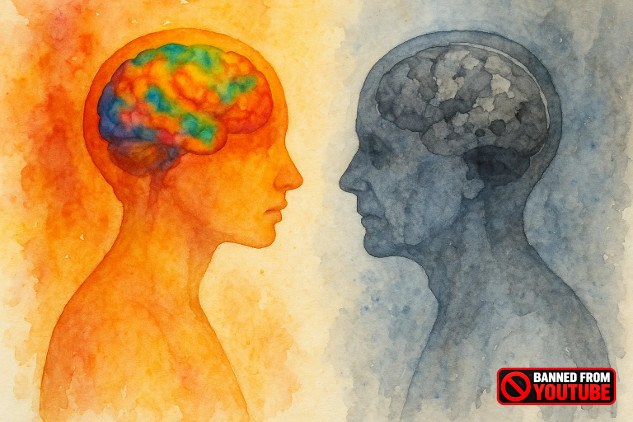
Frontotemporal dementia (FTD) attacks the very circuits that make us human — empathy, judgment, morality. In this eye-opening look at the “social brain,” neurologist Bruce Miller explains how behavioral changes are driven by neurodegeneration, not character flaws. Understanding the social brain helps us reframe how we view personality, free will, and compassion — both for patients and for ourselves.

Your DNA is not your destiny, but it sure can write a rough draft of your future. And unlike horoscopes or crystal balls, genetic testing can actually tell you something useful—like whether that extra cheeseburger is fueling a heart attack waiting to happen. So why do so many people still walk around blind to the secrets in their genes? Maybe it’s time to stop fearing the truth and start using it.

I didn’t pass out. But I felt like I was about to. My legs turned to jelly, my vision clouded over like a fogged windshield, and I had that strange, sinking feeling that if I didn’t sit down immediately, I might never get back up. And here’s the kicker—it wasn’t some scorching 105-degree day in July. It was only 90 degrees. Florida heat, yes, but not a record-breaker. Still, it nearly broke me.

We’ve all seen the headlines: “The Secret to Living to 100!”—usually followed by a picture of someone jogging on a beach while drinking a kale smoothie. But here’s the thing: living to 100 isn’t about supplements, superfoods, or some overpriced “biohack.” The secret to longevity might just be simmering quietly in your gut, and most people wouldn’t even notice until something breaks. Gut health isn’t glamorous—but it might be the one system keeping everything else from falling apart.

So, you’re lying in bed, brain spinning like a hamster on caffeine, wondering if that melatonin gummy you popped is a cure or just another con. Meanwhile, your phone’s lighting up your face like Times Square, and some podcast is whispering true crime into your subconscious. But hey, it’s “me time,” right? Welcome to the great sleep sabotage—modern edition.

After reading a New York Times article on managing hypoglycemia in seniors, I couldn’t help but shake my head. It pushes quick sugar fixes—juice, glucose tablets, candy bars—like some kind of medical whack-a-mole. Sure, that might work in an emergency, but as a long-term strategy, it’s a disaster. This isn’t just about seniors; it’s a lifelong problem fueled by a food industry pushing ultra-processed carbs from childhood. Now, in old age, people are told to double down on the very cycle that got them here?

Some people age like fine wine—sharp, bold, and still packing a punch. Others, well, they turn into a bottle left open too long—losing their spark, their depth, and eventually their function. Enter the "superagers"—a rare breed of older adults whose brains refuse to wither with time. They don’t just remember where they left their car keys; they could probably still ace a history exam from high school. But what makes their brains different? And can the rest of us get in on the secret?

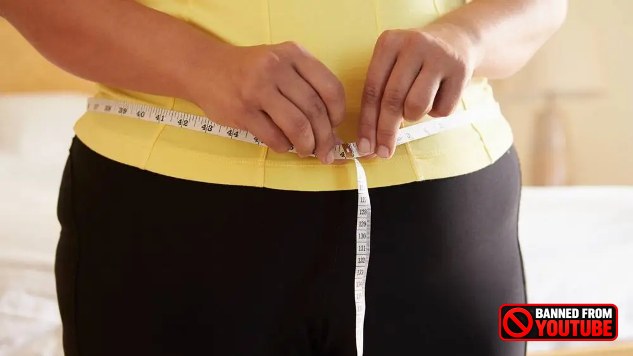
Obesity and ultra-processed foods are a dangerous duo driving chronic disease and weight gain. Discover how high fructose corn syrup plays a major role in this health crisis.

Masks are among the simplest ways to prevent COVID-19 and reduce airborne health risks. Learn how mask effectiveness could have prevented unnecessary deaths.

Plastic pollution and microplastics harm more than the planet—they harm us, too. Linked to cancer, heart disease, and environmental damage, the stakes are high.

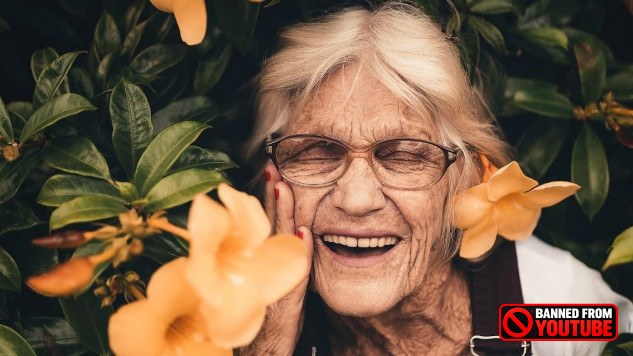
Super aging secrets reveal how some seniors defy cognitive decline, maintaining sharp memory and mental clarity. Discover practical tips for better cognitive health in aging.

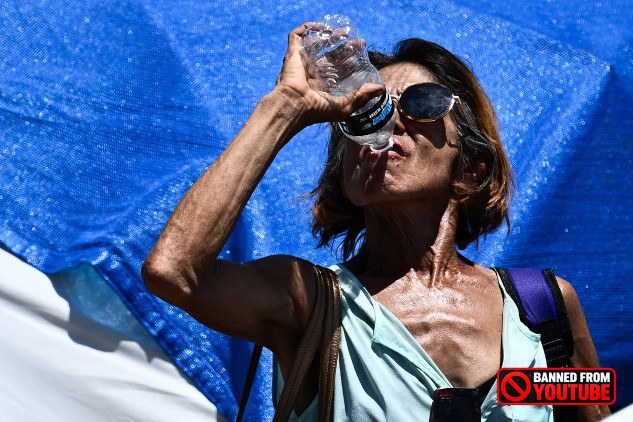
As temperatures rise globally, "human survival in extreme heat" is no longer theoretical. This article explores essential knowledge on "liveability in high temperatures," examining how age, climate, and physiology affect our limits. Discover strategies to stay safe, active, and resilient under extreme heat conditions and what proactive measures can make a warmer world livable for future generations.
A balanced diet rich in anti-inflammatory foods like those in the Mediterranean diet can enhance your longevity and prevent chronic diseases. Learn practical tips to transition to healthier eating that boosts your physical and mental well-being.

In today's intricate food landscape, sugar, with its many guises, emerges as a particularly misleading protagonist.