




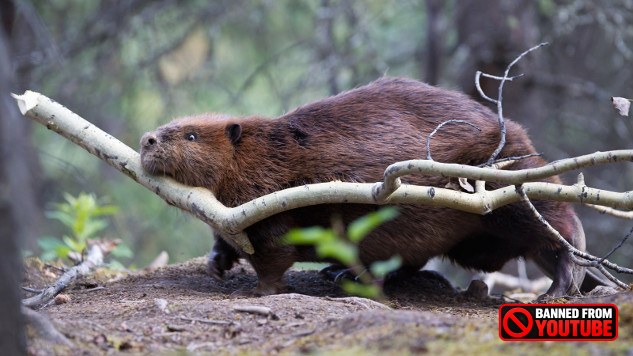
Beavers are the unsung heroes of our ecosystems. These industrious creatures, often overlooked, play a critical role in maintaining the delicate balance of nature. Through the lens of this National Geographic documentary, "Leave It To Beavers," we will gain a deeper understanding of these remarkable animals and their contributions to the world we share.
The Natural Engineers: Understanding Beaver Behavior
Beavers are well known for their unique engineering abilities, and these skills are central to their existence. With their stout bodies, webbed feet, and flat tails, beavers are superb swimmers and builders. Their dam-building activities serve multiple purposes in their lives and for the environment.
The construction of beaver dams involves felling trees, gathering branches, and packing mud to create barriers across streams. These dams create deep ponds, providing a safe habitat for beavers and other aquatic species. Additionally, these impoundments help mitigate floods by slowing down water flow during heavy rains.
Their engineering prowess extends to their lodges, constructed with underwater entrances. These lodges provide shelter and protection for beavers against predators and harsh weather conditions. Moreover, they play an integral role in the ecosystem, as abandoned clubs often serve as homes for other wildlife.
Ecosystem Impact of Beaver Dams
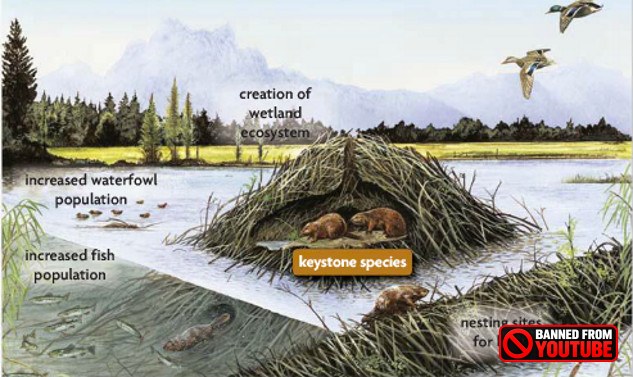
Beaver dams have a far-reaching impact on the environment, creating a mosaic of wetlands, crucial biodiversity hotspots. The ponds formed by beaver dams become magnets for various plant and animal species. Birds, fish, amphibians, and insects all find a home in these wetland oases.
Beaver ponds serve as essential nurseries for many fish species, offering a safe environment for their young to thrive. The shallow water and abundant vegetation provide ideal conditions for the growth and protection of juvenile fish, supporting fish populations in surrounding waters.
Beavers' dam-building activities also enhance the health of forests. By creating ponds and wetlands, beavers promote the growth of various tree species and facilitate the replenishment of groundwater reserves. The standing water in beaver ponds allows for increased soil moisture, benefiting nearby plants and fostering forest regeneration.
Keystone Species: Beavers in Biodiversity Conservation
Beavers hold the status of a "keystone species," a term used to describe organisms that have an outsized impact on their ecosystems relative to their abundance. Removing keystone species can lead to significant shifts in ecosystem dynamics and biodiversity.
Beavers, as keystone species, influence biodiversity in various ways. The habitats they create attract many species, thereby increasing overall ecosystem richness. Moreover, their foraging behavior, particularly their preference for certain tree species, can shape the composition and structure of the surrounding plant communities.
Studies have demonstrated that the presence of beavers can positively impact threatened or endangered species. For instance, in certain regions, the activities of beavers have been found to support the recovery of salmon populations by providing suitable spawning and rearing habitats.
Beavers and Climate Change Mitigation
As the world grapples with the challenges of climate change, beavers have emerged as unexpected allies in the fight against global warming. Their activities can contribute to carbon sequestration, which plays a vital role in mitigating the effects of climate change.
When beavers construct dams, the resulting ponds and wetlands trap organic matter. As this material decomposes underwater, it releases less carbon dioxide into the atmosphere than decomposition in oxygen-rich environments. As a result, beaver wetlands become carbon sinks, helping to remove carbon dioxide from the atmosphere.
Beaver ponds reduce water flow downstream, allowing sediment and nutrients to settle. This process promotes organic carbon accumulation in the soil, further contributing to carbon storage and helping combat climate change.
Beavers and Human Interaction
Throughout history, humans and beavers have shared complex relationships. Native American cultures revered beavers for their engineering skills and recognized their importance in ecosystems. However, European colonization brought changes that led to the near extermination of beavers from many areas.
As human populations have expanded, so have conflicts with beavers. Beavers' dam-building activities can sometimes cause inconveniences for human infrastructures, such as culverts and drainage systems. Flooded farmlands and roads can lead to disputes between beavers and landowners.
However, it is crucial to acknowledge that these conflicts are often a result of humans encroaching on beavers' habitats rather than the other way around. Understanding and adopting sustainable solutions for coexistence is necessary to ensure the survival of beaver populations and the ecological benefits they provide.
Beavers and Habitat Restoration
Recognizing the ecological value of beavers, conservationists and land managers have started employing these industrious creatures as "ecosystem engineers" to restore degraded habitats.
Restoration projects involving beavers focus on reintroducing them to areas where their activities can rejuvenate ecosystems. These projects mimic natural processes by allowing beavers to build dams and create wetlands, aiding in the recovery of biodiversity and ecosystem services.
Beaver-assisted habitat restoration has shown promising results in various locations, indicating that working alongside these natural engineers can yield significant ecological benefits.
Conservation and Management of Beaver Populations
Preserving beaver populations requires a concerted effort in conservation and responsible management. Understanding the current status of beaver populations, their distribution, and the factors affecting them is essential for effective conservation strategies.
Conservation efforts should focus on preserving significant, interconnected habitats to support sustainable beaver populations. Adopting legal frameworks that protect beavers and their habitats is crucial for long-term survival.
Striking a balance between human activities and the conservation of beavers is vital to ensure the continued functioning of ecosystems and the invaluable services they provide.
Ethical Considerations and Advocacy for Beavers
Ethical considerations come to the forefront as we recognize the vital role beavers play in ecosystems. Respecting the intrinsic value of these animals and their right to exist is paramount in our approach to conservation.
Advocacy groups and concerned individuals play a significant role in raising awareness about beaver conservation. Educating the public about the importance of beavers and their ecological contributions can foster a sense of responsibility for their welfare.
Encouraging community involvement in beaver conservation initiatives can lead to a more comprehensive and inclusive approach to protecting these remarkable creatures and the habitats they shape.
Leave It To Beavers Documentary
The included National Geographic documentary "Leave It To Beavers" offers a captivating and informative journey into the world of these remarkable creatures. Through stunning visuals and engaging narration, the film sheds light on the ecological importance of beavers and their impact on our environment.
By showcasing their engineering skills, habitat creation, and role as keystone species, the documentary highlights the indispensable contributions of beavers to maintaining ecological balance. Moreover, it underscores the need for human coexistence and responsible management to secure the future of these industrious animals.
jennings_bio
books_environment