



As we approach the 2024 elections, we must assess our economic landscape critically. Recent years have seen fluctuations in inflation and wages, impacting not just our personal finances but also the democratic fabric of our society. The electorate's focus is increasingly on economic stability, which will significantly influence their voting decisions. It is essential to observe how political candidates address these economic challenges, as their approaches will shape the post-election scenario.
In the realm of money and democracy, there's a delicate balance. When people are preoccupied with financial concerns, democratic principles like freedom and fairness may be relegated to the background. This dynamic between economic conditions and democratic values deserves close attention, particularly during elections. Remember, it's ultimately us, the general populace, who determine the course of our democracy.
Financialization: A Critique of the Current Economy
Let's take a look at the concept of financialization. This term refers to how the financial sector has grown to dominate our economy with its markets and big players. Their focus is predominantly on financial investments like stocks and bonds rather than productive activities that create jobs and build infrastructure. This trend favors short-term gains over long-term economic health and doesn't benefit everyone equally.
Shifting our focus could be transformative. Imagine investing in sectors that genuinely enhance society – technology, healthcare, and education. These investments don't just serve immediate needs; they lay the groundwork for future job creation and growth. Moving from a speculative financial approach to one that builds a robust, inclusive economy could create a fairer system for all, not just the financial elite.
The Transformative Impact of AI and Automation
AI and automation are really changing the game in the workforce, especially for those high-skill jobs. It's incredible how they boost efficiency and spark new ideas but also stir the pot in the job market. We're seeing a shift where some jobs might fade away, but there's also a chance for new work where creativity and human touch matter.
Amidst all this, there's an excellent idea floating around about moving towards businesses owned by those in them. Imagine that! It's like giving everyone a piece of the pie and a say in the bakery's future. This could be a way to balance the scales, ensuring that the tech revolution is a win-win for everyone, not just a few. It's about making work more fair and inclusive in this fast-paced tech era.
Learning from Historical Economic Models
Looking back at the Soviet system, with its all-in-state control, we understand why too much centralization and insufficient market play can be a problem. But hey, it also showed us the upside of thinking about everyone together and planning big.
Now, jump over to Cape Breton in Nova Scotia, Canada. They've got this incredible mix of co-ops, private businesses, and corporate gigs all thriving together. It's like a mini-model of how different economic styles can blend and work for everyone.
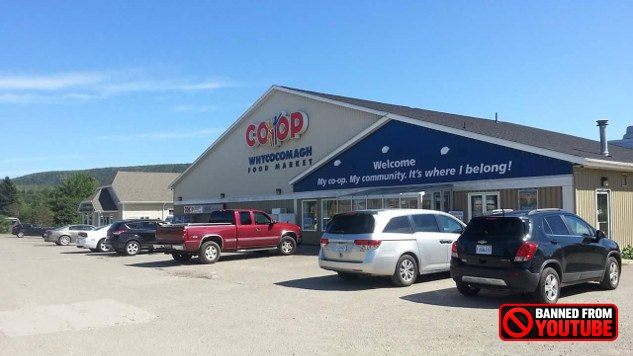
Whycocomagh, Nova Scotia Cooperative. Community-owned and selling groceries, hardware, and building supplies.
What we learn from these past and present examples is that no single economic model is perfect, but mixing and matching elements from different systems could lead us to something fair, efficient, and sustainable. The trick is to tailor these lessons to our modern world, especially with all this tech and global change happening.
Technology's Role in a New Economic Vision
AI and robotics are totally revolutionizing our economy. They're making things super efficient, sparking new ideas, and shaking up the job market between tech-savvy folks and those who might be left behind in this fast-paced digital world.
Here's a thought: What if we tweak our economy to make tech work for everyone? Let's use AI to boost what people can do instead of just replacing them. We're talking about a fairer setup where the tech benefits are spread. This means getting governments, businesses, and communities to work together to build a high-tech economy that includes everyone in the ride.
AI and robotics are not just about efficiencies and new ideas; they're also game-changers for budding entrepreneurs. Imagine this: AI reducing the costs and complexities of starting a business. It's like having a tech wizard by your side, making it easier and more accessible for individuals to launch their own ventures. This aspect of AI could level the playing field, allowing more people to become innovators and business owners. It's another way of ensuring that the digital revolution empowers everyone, not just the few.
Reimagining Capitalism: A Worker-Owned Economy
Moving to a worker-owned economy is quite the switch from our usual way of doing business. Instead of a few big shots calling the shots, everyone working there gets a say and a share. It's like flipping the script to make things fairer and more democratic at work.
But then, there's the whole tech and AI curveball. Sure, it could shake up jobs, but what if we use it to improve these worker-owned places? Think more efficiency, better decisions, and happier workers.
Getting there isn't just about changing business models; it's a cultural shift. We need to rethink work and ownership and get solid support to make these worker-owned businesses thrive. It's about blending the new tech world with a fresh take on who runs the show.
Audio Interview: Democracy, Economy, and Technology in 2024
jennings_bio
books_economy