
In This Article:
- Why does history repeat in cycles?
- What is the Fourth Turning, and why are we in its final phase?
- How does deregulation threaten public protections today?
- What lessons can we learn from past financial and environmental crises?
- What can you do to steer society toward a sustainable future?
The Dangers of Deregulation: Lessons from the Fourth Turning
by Robert Jennings, InnerSelf.com
History moves in cycles, and we're in a critical moment. This idea comes from the work of William Strauss and Neil Howe, who described society's rhythm of crisis and renewal in their book The Fourth Turning. These cycles shape how we think, act, and even govern ourselves. But something dangerous is happening in this late stage of the Fourth Turning. Big business is pushing hard for deregulation, not for our benefit. If we're not vigilant, we could repeat the same mistakes that led to past disasters. The urgency of the current situation cannot be overstated.
What We Can Learn From the Past
Let's take a quick trip back in time to the Great Depression. It was a dark period when the economy collapsed, leaving millions jobless and desperate. Out of this crisis came new rules and protections. The government created the FDIC to insure people's money in banks, so they didn't lose everything if a bank failed. Laws like the Glass-Steagall Act kept banks from taking wild risks with people's savings. These regulations were there to keep greed in check and protect the public.
But the New Deal reforms didn't stop with banking. They also laid the groundwork for environmental and health protections. Programs like the Civilian Conservation Corps planted trees, restored lands, and built infrastructure that protected natural resources. Meanwhile, public health measures like vaccinations and workplace safety rules saved lives and improved working conditions. These protections showed that regulation could create economic stability and a healthier, more sustainable society.
By the 1980s, those lessons started to fade. Politicians and corporations pushed for fewer rules, saying it would spark innovation and growth. Environmental regulations were rolled back, allowing pollution to rise, and industries like pharmaceuticals faced less oversight, leading to unsafe products entering the market. In banking, the same deregulatory fervor led to reckless behavior. Banks gambled big, and the economy crashed again when their bets went sour in 2008. Millions of people lost their jobs, homes, and savings. The government had to step in and bail out the banks, but ordinary people paid the price.
Deregulation: Who Really Benefits?
Now, here we are again. Deregulation is back in fashion, but this time, it feels different. Big corporations are louder, pushing for changes that help them and hurt everyone else. Let's look at banking. After the 2008 crash, the government passed Dodd-Frank, a law to prevent another meltdown. But parts of it have been rolled back. Banks can retake more risks, putting everyone's savings on the line.
It's not just banks. Environmental rules that protect our air and water are being weakened. Labor laws that ensure fair pay and safe workplaces are under attack. Even basic consumer protections, like keeping companies honest about what's in our food and medicine, are being scaled back. All these changes make it easier for big businesses to grow profits but expose regular people to more significant risks.
The Fourth Turning and the Loss of Memory
We must return to Strauss and Howe's idea of the Fourth Turning to understand why this is happening. This cycle happens every 80 to 100 years and includes four phases: growth, awakening, unraveling, and crisis. Right now, we're deep into the crisis phase. It's a time of upheaval when old systems break down, and new ones emerge.
One big problem during this phase is that we lose our collective memory. The people who lived through the Great Depression and WWII —those who knew why regulations mattered—are no longer with us. Even the memory of the 2008 financial crisis is fading. Younger generations haven't experienced those hardships, so they might not see the risks in removing safeguards. This creates a dangerous opening for big businesses to push their agendas.
A Global Problem
It's not just happening in the United States. Europe is struggling with similar issues. Austerity measures have left many people disillusioned, and social unrest is growing. For example, in the United Kingdom, austerity policies have cut public services to the bone, sparking strikes and protests. In France, the deregulation of labor laws has led to massive demonstrations, with workers demanding fairer wages and protections. Still recovering from its debt crisis, Greece has faced extreme austerity that left many citizens struggling to meet basic needs.
The problem is even more pronounced in developing countries. In Brazil, deregulation has allowed deforestation of the Amazon rainforest to accelerate, harming both the environment and indigenous communities. In India, relaxed labor laws have left millions of workers vulnerable to exploitation without adequate protections. South Africa, facing high levels of inequality, has seen corporate interests push for looser environmental and labor regulations, further widening the gap between rich and poor.
This isn't just about economics. When governments fail to protect their citizens, it creates a vacuum that authoritarian leaders often fill. Around the world, we're seeing the rise of strongman politics in countries like Turkey, Hungary, and Russia. These leaders usually use economic deregulation to consolidate power, enriching a select few while undermining democratic institutions.
America's Fork in the Road
In the U.S., we're seeing signs of strain everywhere. Political divides are growing deeper. Climate disasters are becoming more frequent and severe. Wealth inequality is at levels we haven't seen since the Gilded Age. These warning signs come at the end of a Fourth Turning. Our choices will determine what kind of society emerges on the other side.
If we allow deregulation to continue unchecked, the gap between the rich and poor will only grow wider. Environmental destruction will accelerate, and the financial system could collapse again. However, we can learn from the past. We can create a fairer, more sustainable future by putting the public's well-being above corporate profits. This hopeful vision is within our reach if we act now.
Finding a Better Path
History shows us that regulation works when it's done right. Franklin D. Roosevelt's New Deal pulled the U.S. out of the Great Depression by creating jobs and strengthening protections for workers and consumers. After WWII, government investments in education, housing, and infrastructure helped build the middle class. We've seen what's possible when leaders focus on people, not just profits.
Today, we need similar bold action. Universal healthcare, investments in renewable energy, and stronger financial oversight could help address the inequalities and risks we face. These policies would protect the public and create opportunities for everyone, not just the wealthy few.
What You Can Do
It's easy to feel powerless, but ordinary people have more influence than they realize. Voting for leaders prioritizing public welfare over corporate interests is a good start. Supporting organizations that fight for workers\u2019 rights, environmental protections, and fair financial practices can also make a difference. Most importantly, we need to stay informed and hold our leaders accountable.
We're living in a time of significant challenges but also great potential. By remembering past lessons and working together, we can steer society in a direction that benefits everyone. Watch the video below to understand why deregulation is a big deal and what's at stake. It's a powerful reminder of what happens when we forget the hard-earned lessons of history.
Related:
The Fourth Turning Is Here: What the Seasons of History Tell Us about How and When This Crisis Will End
by Neil Howe
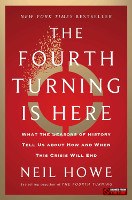 The Fourth Turning Is Here by Neil Howe is an eye-opening guide to understanding the cycles of history and how they shape our present and future. Building on the groundbreaking theories introduced in The Fourth Turning, Howe reveals how societies go through predictable cycles of growth, awakening, unraveling, and crisis, approximately every 80 to 100 years. With profound insight and real-world examples, Howe explains why we are currently in the final, most transformative phase\u2014the Crisis\u2014and how the decisions we make now will determine the course of history for generations to come. This book is an essential read for anyone seeking to understand the turmoil of our times and what lies ahead.
Drawing from history, economics, and generational theory, Howe offers a compelling narrative that connects past cycles to our present challenges, from political polarization to economic instability and climate change. He not only diagnoses the critical issues we face but also provides a roadmap for navigating this era of upheaval. Whether you are a history enthusiast, a policymaker, or simply someone trying to make sense of today\u2019s chaotic world, The Fourth Turning Is Here delivers the tools and context to see the bigger picture and take meaningful action in shaping the future.
For more info and/or to order this book, click here. Also available as a Kindle edition.
Jennings_bio
books_economy
Article Recap
The Fourth Turning framework explains why society faces a crisis phase marked by deregulation and its dangers. Deregulation during this period erodes public protections, increases wealth inequality, and damages the environment. Historical cycles show us what happens when collective memory fades, making it crucial to take action now for a sustainable and equitable future.
#FourthTurningInsights #DangersOfDeregulation #DeregulationRisks #FourthTurningCrisis #SocietyAndDeregulation #WealthInequality #EnvironmentalRegulation #HistoricalCycles #GenerationalChange #NeilHowe #DeregulationImpacts #PublicProtections #CrisisAndCycles #RegulationMatters #TurningPointsInHistory