What Happens When Your AI Really Knows You
Most of us have used AI as a smarter search engine, a faster typist, or a tireless explainer of things we half-understood. But something shifts when the AI stops being a stranger...
Read more
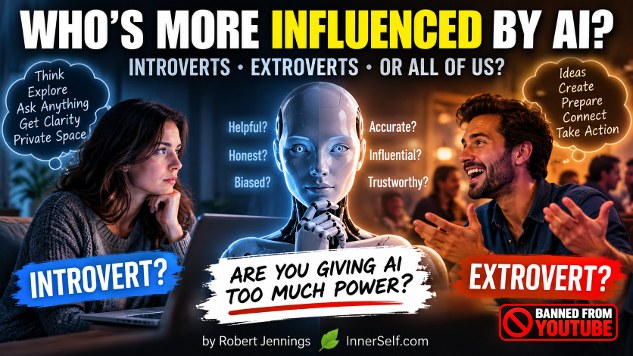
Can artificial intelligence figure out what kind of person you are simply from the way you talk to it? That question opens a far more unsettling one: can the patterns in your AI conversations reveal how easily AI can shape what you believe? The answer may change how you use the most powerful information tool most of us have ever touched.

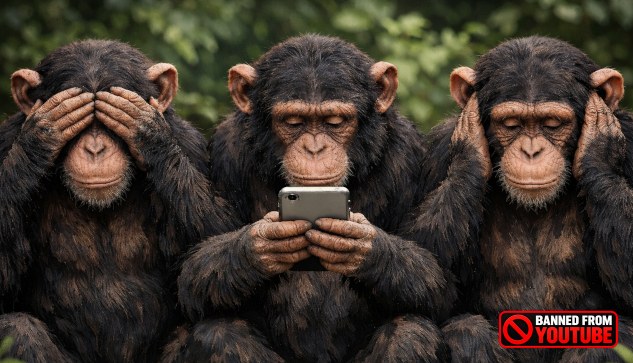
Picture the famous three wise monkeys, but instead of covering their eyes, ears, and mouth, one is staring into a glowing screen. We've traded the ancient wisdom of "see no evil, hear no evil, speak no evil" for something far more troubling: we've chosen to see, hear, and speak only what our devices show us.

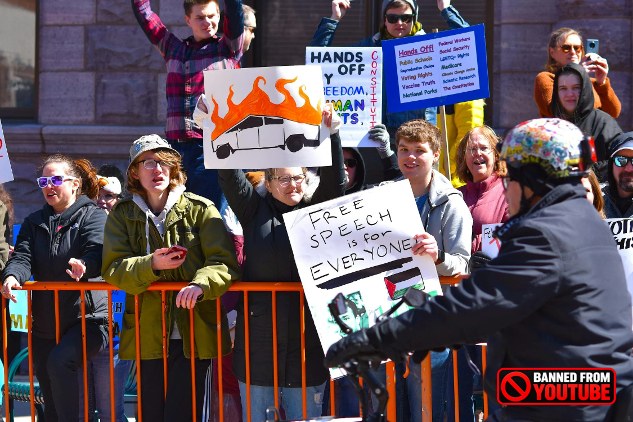
Everyone loves to shout about free speech—until someone else uses it in a way they don't like. Then suddenly it's "hate speech," "misinformation," or worse, "dangerous propaganda." Most people have no idea what free speech actually means. And in the Wild West of unregulated social media, the confusion is not just annoying—it's a full-blown threat to democracy.

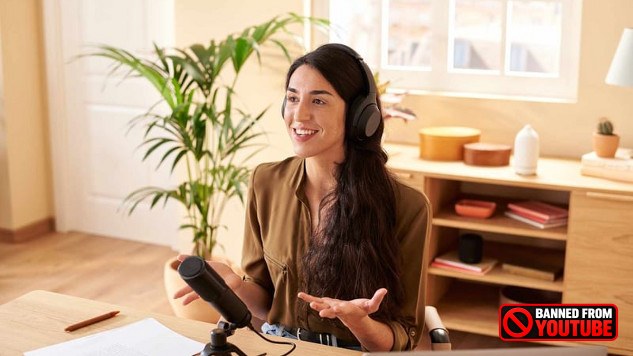
Articulation is more than just an assembly of words; it manifests thoughts, feelings, and emotions.

Everyone wishes they had a superpower. Well, you’ve had a secret power since childhood; you just don’t know how to use it yet. That’s the power of language.