Will America Take Two Steps Forward or Another Step Back
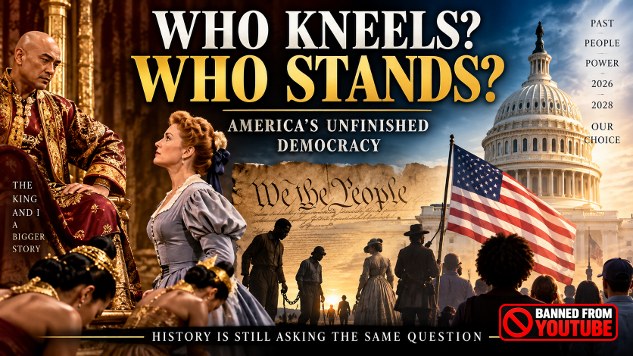
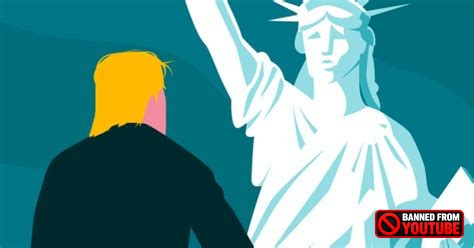
A familiar movie became a mirror. Watching The King and I again, something shifted, not in the film, but in the questions it started asking about power, kneeling, and who gets to...
Read more
There’s a comforting myth about aging: that it’s perfectly fine to slow down, sink into the couch, and let the television take the wheel. After all, you’ve earned it, right? The trouble is, that “earned rest” might be quietly chiseling away at your brain’s sharpness faster than time itself. While TV has its charms (and plenty of reruns to prove it), it’s about as stimulating to the brain as a lukewarm bowl of oatmeal. Meanwhile, the very devices many older folks eye with suspicion, smartphones, computers, tablets, might be the real tools to keep the lights on upstairs.

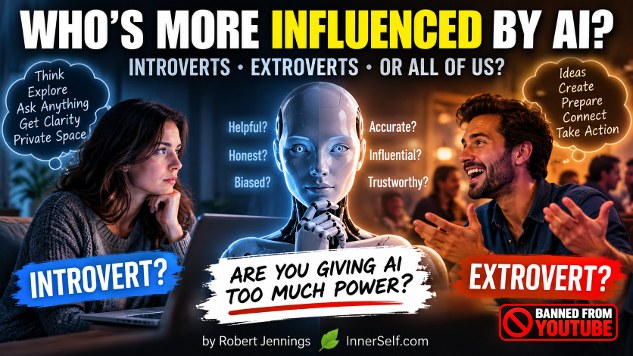
Most people think AI will either take their jobs or help them cheat on homework. But what if it could do something far more radical? What if it could help you think for yourself—for real? In a world addicted to shortcuts, artificial intelligence could be the first real opportunity to escape the shallow end of the intellectual pool. If, that is, you stop using it like a vending machine.

Thinking in extremes—right or wrong, good or bad, black or white—may feel comforting, but it shackles your mind. Life is not a courtroom with a clear verdict; it’s a messy, complex, unpredictable story. Embracing gray thinking isn’t just smart—it’s necessary if we want to live with wisdom and empathy in an uncertain world. In this piece, we’ll unpack why black-and-white thinking is so seductive, how it distorts reality, and why shifting to gray thinking is a key to survival—both personal and collective.

Once upon a time, the notion of learning while you sleep seemed like the ultimate life hack. Slip on some headphones, drift off to dreamland, and wake up fluent in French or a master of economics. It was a seductive promise—and a persistent one. But here’s the rub: modern science says the story is far more complicated. While true "sleep learning" doesn’t work the way many believe, there is a smarter, science-backed path using sleep and audio learning to genuinely boost your memory and understanding. And it’s far more effective than any 1950s sleep-learning record ever was.

In a world that feels more like a three-ring circus with each passing week, finding a clear path through the fog of headlines, false promises, and manufactured crises isn’t just smart—it’s necessary for survival. Enter the Personal Risk & Consequence Watchlist. No, it won’t predict the unknowable. But it will train your eye to watch the world with the kind of quiet wisdom that our ancestors used when deciding whether to plant the next crop—or grab the family and move to higher ground. The art of watching patterns is an old one. It’s time we bring it back.

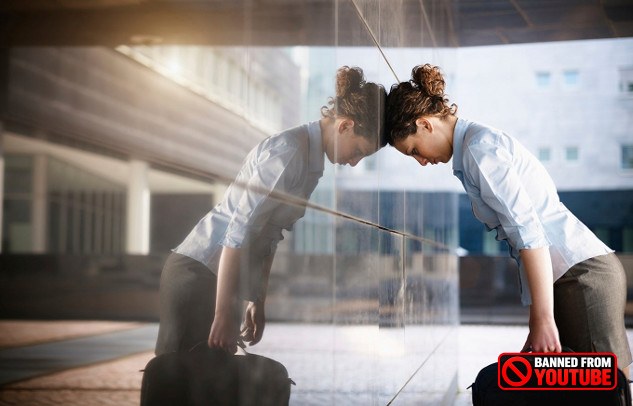
Have you ever felt stuck in your career, where you live, or in relationships? Adam Alter, NYU psychology professor and author of "Anatomy of a Breakthrough: How to Get Unstuck When It Matters Most," offers insights into overcoming these periods. His research reveals that 99% of people experience stuckness, often due to life quakes or the Plateau Effect. He suggests breaking goals into smaller parts, celebrating small victories, conducting friction audits, and embracing failure to get unstuck. Persistence, exploration, and reframing obstacles as growth opportunities are key strategies. Feeling stuck is common, but it doesn't have to be permanent.

Pause for a moment and truly appreciate the mind-blowing phenomenon of human memory.

Ever heard the saying "3 steps forward and two steps back"? Of course you have! Well there's more than that. All universal activity, including human endeavor, occurs in excess and must be corrected.

Learning a new skill usually requires actively practicing it through trial and error while getting feedback on your performance.

As humans, we tend to see things in extremes. We think in black, white, hot, cold, simple, and complex.

Updated July 2, 20020 - This whole coronavirus pandemic is costing a fortune, maybe 2 or 3 or 4 fortunes, all of unknown size. Oh yeah, and, hundreds of thousands, maybe a million, of people will die prematurely as a direct or indirect result. How much is that worth? It didn't have to be this way.