Will America Take Two Steps Forward or Another Step Back
A familiar movie became a mirror. Watching The King and I again, something shifted, not in the film, but in the questions it started asking about power, kneeling, and who gets to...
Read more
Stand at the front door of any big supermarket and play a little game. Count the aisles of boxes and bags, then try to find the small strip of real food that depends on insects. If bees and their wild cousins keep fading, that strip shrinks and prices rise. This is not just about pretty butterflies. It is about dinner, health, and who gets left out when the bill comes due.

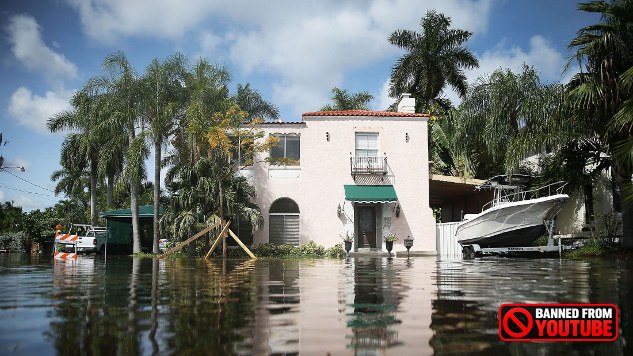
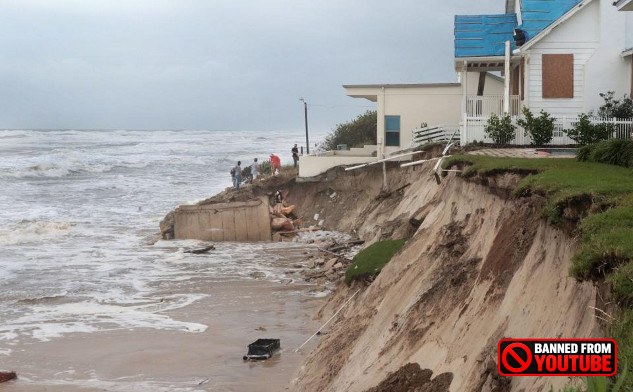
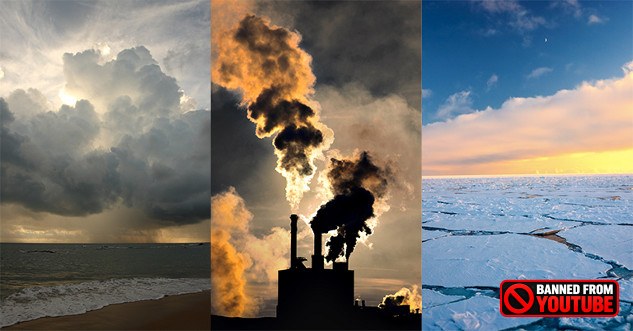
Climate change has emerged as one of the most pressing challenges of our time, bringing with it a cascade of consequences, including extreme weather events that wreak havoc on communities and infrastructure.

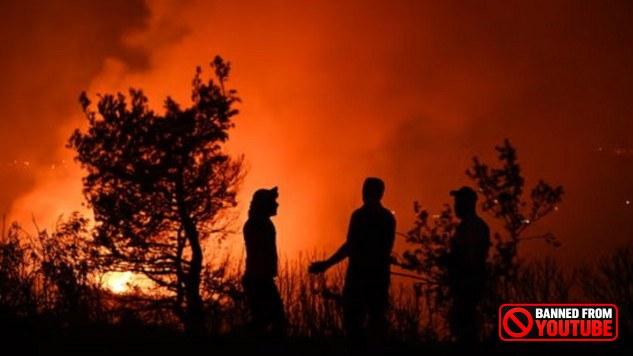
As Maui's fires raged on, fueled by a combination of drought, intense winds, and climate shifts, the reality of our times became inescapably clear: we are living the climate crisis.

In 2021, the United States witnessed the impact of natural hazards on nearly one in 10 homes. As climate change continues to shape our environment, it becomes imperative to identify the riskiest regions in the country.

The world faces an unprecedented climate crisis as temperatures soar and heat records are shattered across the globe.

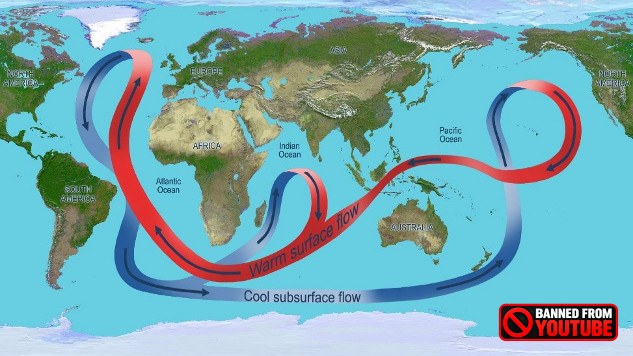
Have you ever heard of the Atlantic Meridional Overturning Circulation or AMOC? Don't worry if you haven't! It's not a daily discussion topic, but it's an integral part of our planet that scientists watch closely.

Global warming is a pressing issue that poses severe threats to our planet and all its inhabitants. In recent years, scientists have warned about the potential consequences of reaching a 3°C increase in global temperatures.

In a shocking report the US Army's assessment of its future under the unfolding climate crisis, every American should pause and so should other countries' military.