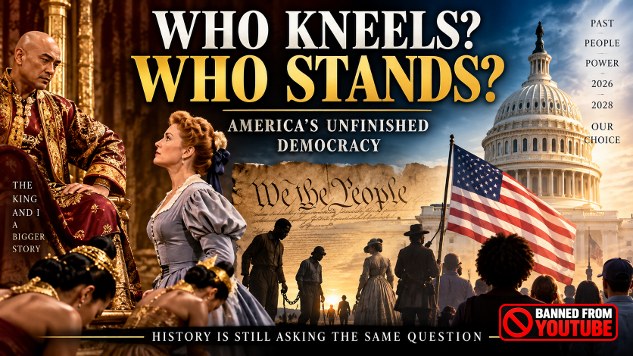
Will America Take Two Steps Forward or Another Step Back
A familiar movie became a mirror. Watching The King and I again, something shifted, not in the film, but in the questions it started asking about power, kneeling, and who gets to...
Read more
Why is immigration suddenly treated like an invasion, and why does diversity feel threatening to those in power? Maybe it’s not just about culture or borders, maybe it’s about systems. And maybe the system is broken because we designed it that way.

Donald Trump likes to call himself the master of the deal. But as with most showmen, the illusion tends to be more dramatic than the substance. His so-called trade “wins” are less about diplomacy and more about drama. Scratch beneath the surface, and you’ll find a pattern of grandiose press releases with little to no legal backbone. It's not that he didn’t make headlines, it’s that he rarely made treaties. And in the world of international commerce, headlines don’t hold up in court.

Paul Krugman recently raised a red flag: the U.S. Congress isn’t just opposed to creating a Central Bank Digital Currency—it’s banning the Fed from even thinking about one. That’s right, they’re outlawing thought. Meanwhile, Brazil has rolled out a lightning-fast, nearly-free public payment system used by over 90% of its adults. But Krugman missed the deeper issue. This isn’t just about payment apps or crypto alternatives. It’s about who gets to control money itself. And more dangerously, it’s about what happens if you—the ordinary citizen—get access to an account at the Fed.
He tweets at the Fed, brags at Mara Lago, and treats the U.S. economy like a slot machine. Sounds like a joke—but it's not. It's the daily reality we've been living in, where governance has become spectacle, leadership a brand, and policy a poker game with your rent money on the table. This isn’t satire. This is America under the influence—of greed, showmanship, and an ever-widening disconnect from the people who actually live in the country. And now, one music video dares to call it out… verse by verse, beat by beat.

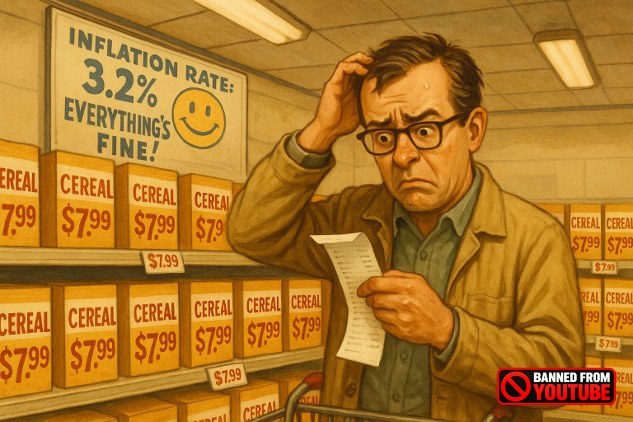
Inflation is supposedly under control at around 2.7 percent. The talking heads say we’re heading back to safe economic ground. But if you’re staring at a $150 grocery bill or wondering why your phone case just cost you 25 percent more, you already know something’s off. The inflation signals are misleading—and dangerously so.

Dorothy Gale III never quite believed the stories. Not fully. Not the way her grandmother told them. But she loved to listen. As a little girl, she’d curl up beside the old woman on a wide front porch in Kansas, the air thick with cicadas and the scent of cornfields. And the stories would spill out like magic.

Imagine living in a city where you can see luxury condos from your window but can’t buy a head of lettuce within walking distance. That’s not a dystopian joke — it’s daily life in parts of New York. And while politicians bicker over slogans, communities are quietly building a better answer: ownership, cooperation, and capitalism that actually feeds people.

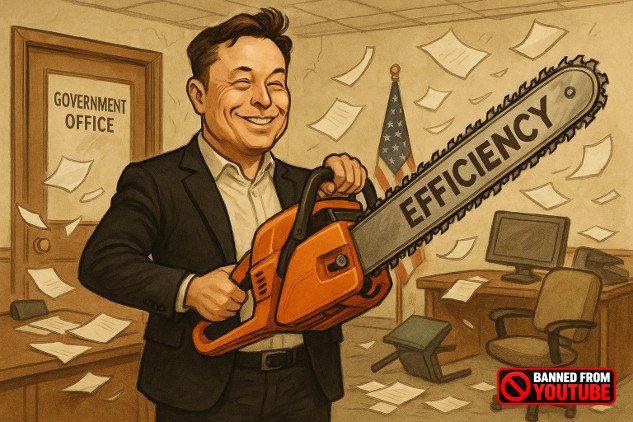
The Trump administration’s attempt to make the federal government leaner has turned into a costly lesson in what happens when ideology overrides competence. While politicians have spent decades railing about the supposed inefficiency of the U.S. government, the facts tell a different story. And now, with millions wasted on firing and then rehiring essential federal workers, it is clear who the real inefficiency peddlers are—and it is not the career public servants.

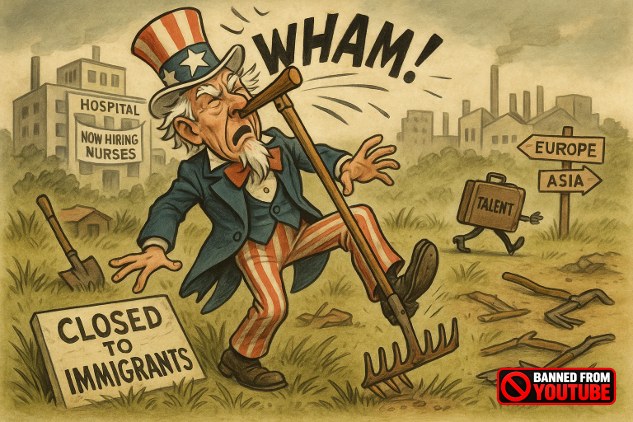
We’re careening toward an economic trainwreck, and the conductor just stepped on the gas. Canada and the United States are facing a full-blown skills shortage and workforce crisis, but instead of hitting the brakes, leaders like Donald Trump are throwing sand in the gears. Forget ideological debates for a minute—if we don’t fix the growing mismatch between education, skills, and job demand, no amount of flag-waving will save us from a productivity collapse that makes the Great Recession look like a hiccup.

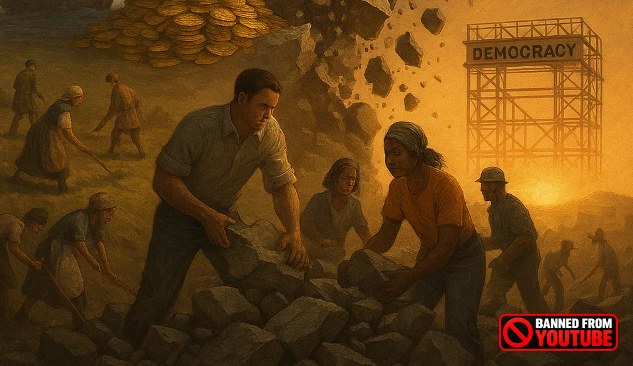
In a world where billionaires play gods and CEOs rule with more power than monarchs ever dreamed of, it's easy to forget this wasn’t always the way. In fact, once upon a time, even peasants had a lord who owed them something in return. This is the story of how we went from mutual obligation to economic disposability—and how fear, fueled by profit, is unraveling democracy thread by thread.

Ever feel like the economy is collapsing around you, but the headlines swear it’s never been better? You're not crazy. That uneasy feeling—that disconnect between your lived reality and the official numbers—has a name: economic gaslighting. And it’s not just a side effect of incompetence. It's strategy.

Donald Trump is once again threatening to fire the Federal Reserve Chair. This time, it's not just campaign bluster—he’s targeting Jerome Powell like a CEO would a disobedient intern. But here’s the problem: the Fed isn’t a Trump casino or a family golf resort. It's the last semi-independent institution holding the economic gears in place. If Trump wins and seizes control, we’re not just facing inflation—we're facing economic tyranny dressed up as “America First.”

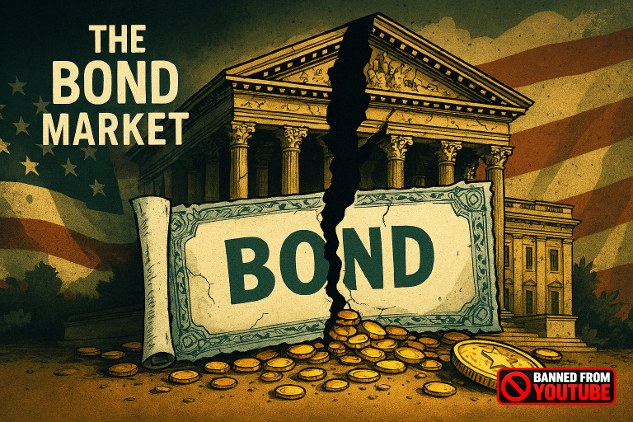
They say the bond market runs the world. Presidents quake at the thought of displeasing it. Pundits treat it like some mystical beast that must be constantly appeased. Propose healthcare for all? The bond market might panic. Talk about student debt relief? The bond market could retaliate. Green infrastructure? Better check with Wall Street first. But let’s be clear: this fear is manufactured. It’s not economics—it’s theater. The “bond market fear” and “federal debt myth” are the oldest tricks in the political manipulation book.

Peter Navarro has a Harvard Ph.D. in economics. Let that sink in. The same guy who helped launch a trade war with China by applying 19th-century thinking to a 21st-century economy was trained at one of the most prestigious institutions in the world. If that doesn't shake your faith in Ivy League credentials, it should. Because Navarro’s obsession with tariffs doesn’t just fail — it exposes how dangerously out of touch elite economic theory can be when it’s twisted into ideology.

When people start voting with their wallets, politicians take notice—eventually. But what happens when the wallet isn’t just closed, it’s pointed in another direction? With mounting global frustration at U.S. policies, more citizens worldwide are turning their backs on American-made goods and bypassing those glossy vacation brochures. The results? Far more consequential than the media lets on.

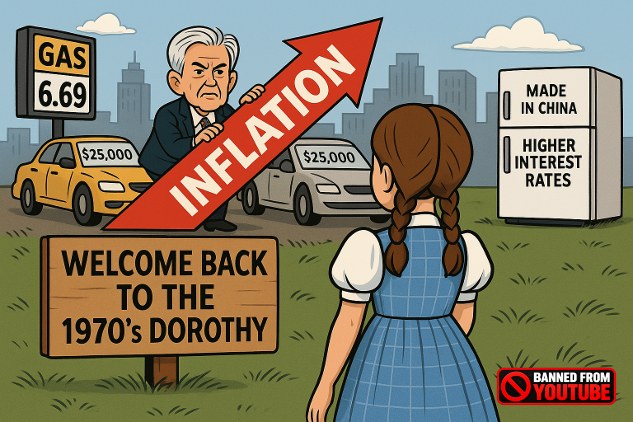
Remember the 1970s? Stagflation, gas lines, polyester leisure suits, and the unmistakable smell of economic dysfunction? Back then, it was foreign oil barons pulling the strings. This time, we’re not so lucky. The chaos isn’t coming from across the ocean — it’s being handcrafted in the Oval Office by the administration, thinking the best way to revive the economy is to drag it backward through a thicket of tariffs, trade wars, and broken supply chains. Welcome to 2025 — where inflation is rising, growth is shrinking, and yes, we’re doing it to ourselves.

With the federal government pulls back on funding for disaster relief, healthcare, infrastructure, and law enforcement, states will scramble to fill the gap. But can they do it without raising taxes substantially? And if they do raise taxes, won’t the wealthy simply pack up and move to low-tax states, creating a bidding war for the lowest possible rates?

Trump’s economic policies are built on fantasy, and the price of those delusions will be paid by working Americans. While he distracts his supporters with talk of tariffs, tax cuts, and “bringing back” manufacturing, the real economic crisis is looming: climate-driven collapse. Instead of preparing for the challenges of the 21st century, he’s doubling down on a failed 1950s economic model. But there’s another way—a strategy that actually works. If I were king, we’d launch a WWII-style economic mobilization, one that actually makes America stronger instead of weaker.

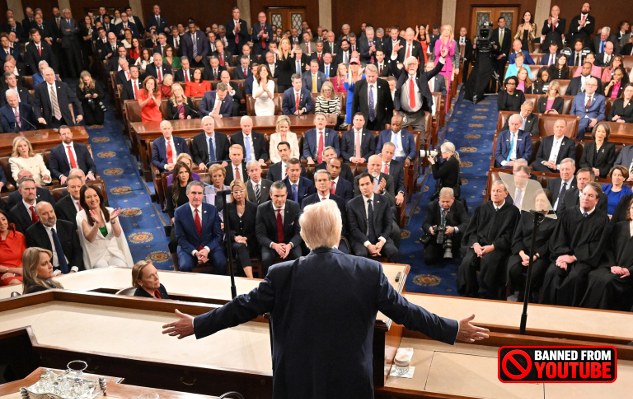
Donald Trump’s latest address to Congress was everything we’ve come to expect—long, rambling, and full of misleading claims. But what’s more concerning is not just the falsehoods, but the economic storm brewing underneath them. While his supporters cheer on the rhetoric, the real economy is shifting in ways that will hit them hardest. With tariffs taking effect, inflation creeping up, and government cuts slashing through key programs, the next few months could be a wake-up call. The question is—how long before they feel enough pain?

America is not just "going broke"—it’s being driven off a fiscal cliff by the very people who claim to be its saviors. While red states have long depended on federal support, Trump, Doge, and the Republican leadership are now engineering a financial collapse that will hit their own base first. The irony? Those same states that cry about "big government" are the ones most reliant on federal aid. With cities already in trouble and red-state budgets running on fumes, the GOP’s agenda may lead to economic cannibalism. And when the money runs dry, who will foot the bill?

For decades, politicians have weaponized the deficit myth to justify gutting social programs while giving the wealthy endless tax cuts. The real issue isn’t debt—it’s where money flows. A Progressive Consumption Tax would shift the tax burden from workers to billionaires, ensuring wealth is reinvested into the economy instead of hoarded in offshore accounts. It’s time to expose the con and fix the system.

Why do outdated economic theories dominate policy while inequality and crises grow? Post-Keynesian economics and Modern Monetary Theory offer a better way forward.