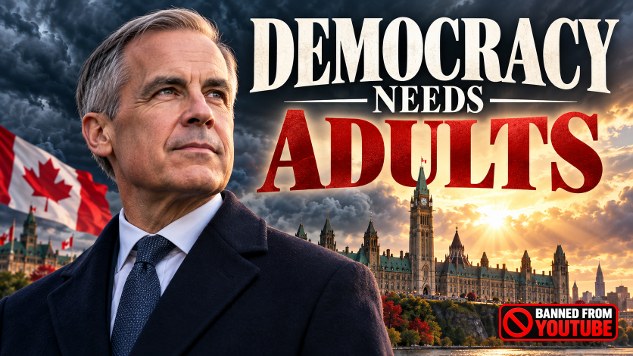
Mark Carney and the Kind of Leader Democracy Needs Right Now
Something unusual happened in Canadian politics recently. A central banker with no electoral history walked into one of democracy's rougher seasons and refused to pretend the...
Something unusual happened in Canadian politics recently. A central banker with no electoral history walked into one of democracy's rougher seasons and refused to pretend the...

A familiar movie became a mirror. Watching The King and I again, something shifted, not in the film, but in the questions it started asking about power, kneeling, and who gets to...
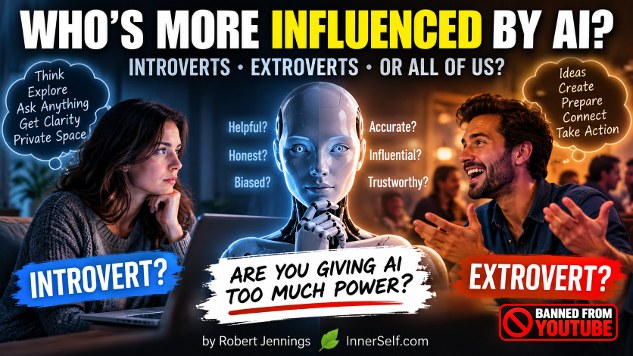
Can artificial intelligence figure out what kind of person you are simply from the way you talk to it? That question opens a far more unsettling one: can the patterns in your AI...

When love begins to unravel, do you walk away or pick up the thread? “Thread By Thread” is about two people discovering that sometimes love survives not through grand...
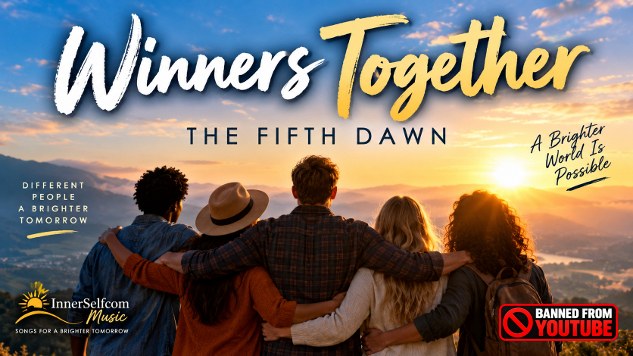
What if winning didn’t require someone else to lose? “Winners Together” imagines a world where success is shared, justice matters, and there is room for everyone to rise.
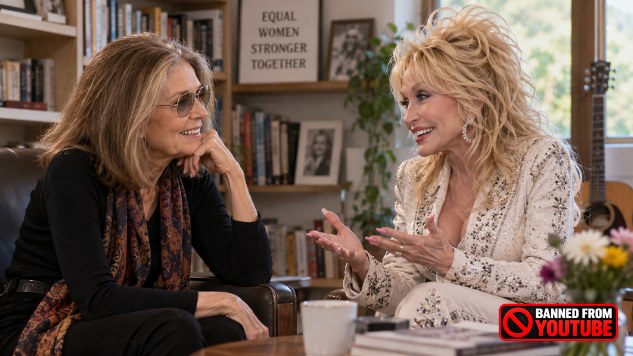
One burned her bra (metaphorically) and the other bedazzled hers. One marched on Washington and the other sang about a coat of many colors. And yet Gloria Steinem and Dolly...
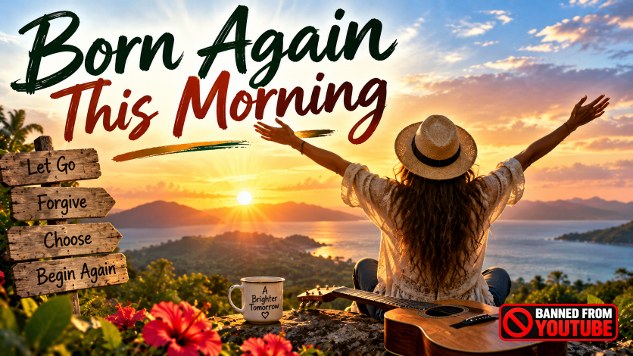
Every morning is another chance to choose what stays with us and what we finally leave behind. “Born Again This Morning” is about discovering that a new beginning can be as...
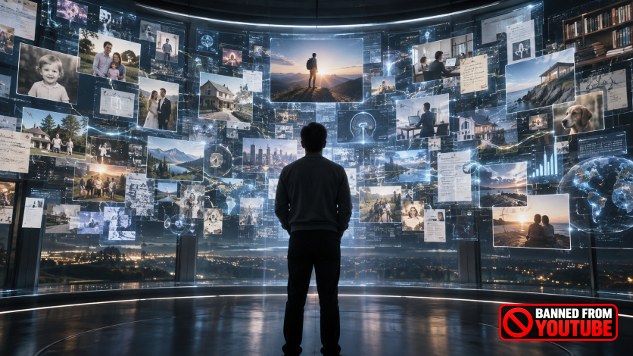
Most of us have used AI as a smarter search engine, a faster typist, or a tireless explainer of things we half-understood. But something shifts when the AI stops being a stranger...

How much of yesterday are you still carrying today?
A familiar movie became a mirror. Watching The King and I again, something shifted, not in the film, but in the questions it started asking about power, kneeling, and who gets to...
Read more
Something unusual happened in Canadian politics recently. A central banker with no electoral history walked into one of democracy's rougher seasons and refused to pretend the...
Read more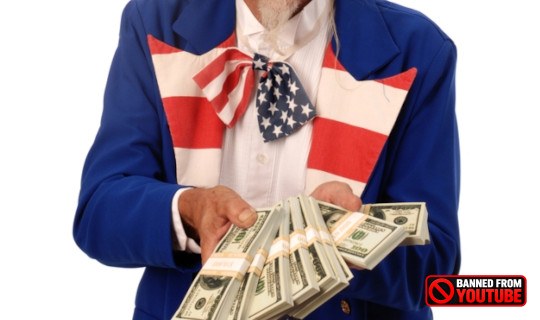
The American welfare system was designed to support those in need, but it now faces significant challenges. Learn about its origins, current issues, and potential reforms,...
Read more
When love begins to unravel, do you walk away or pick up the thread? “Thread By Thread” is about two people discovering that sometimes love survives not through grand...
Read more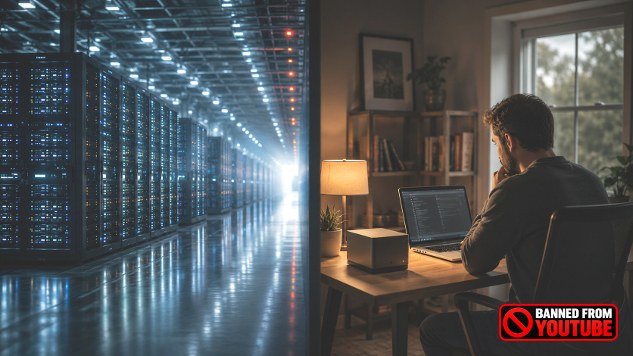
Somewhere in the back of my mind, a forgotten YouTube stranger planted a seed: AI didn't have to keep getting bigger. It took months of tinkering with small models on my own...
Read more
Most people think AI will either take their jobs or help them cheat on homework. But what if it could do something far more radical? What if it could help you think for yourself—for real? In a world addicted to shortcuts, artificial intelligence could be the first real opportunity to escape the shallow end of the intellectual pool. If, that is, you stop using it like a vending machine.

Dorothy Gale III never quite believed the stories. Not fully. Not the way her grandmother told them. But she loved to listen. As a little girl, she’d curl up beside the old woman on a wide front porch in Kansas, the air thick with cicadas and the scent of cornfields. And the stories would spill out like magic.
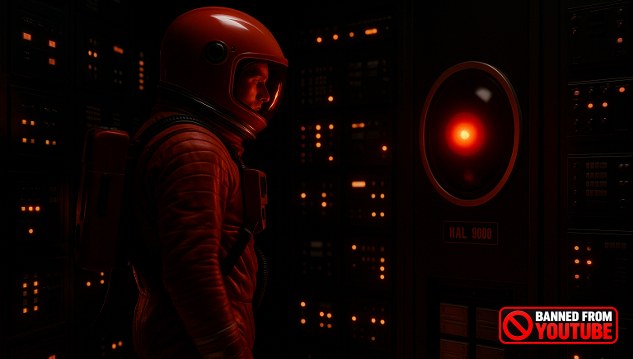
What if humanity’s smartest invention turns out to be its last? That’s the question AI experts, ethicists, and a growing chorus of tech whistleblowers are asking as artificial intelligence barrels forward—unchecked, unregulated, and largely misunderstood. Most people still think AI is just a smarter Siri or a fancier version of Google. But the truth is, we’re sprinting toward something far more powerful—and potentially uncontrollable: Artificial General Intelligence (AGI), and beyond it, Artificial Superintelligence (ASI).

Imagine living in a city where you can see luxury condos from your window but can’t buy a head of lettuce within walking distance. That’s not a dystopian joke — it’s daily life in parts of New York. And while politicians bicker over slogans, communities are quietly building a better answer: ownership, cooperation, and capitalism that actually feeds people.
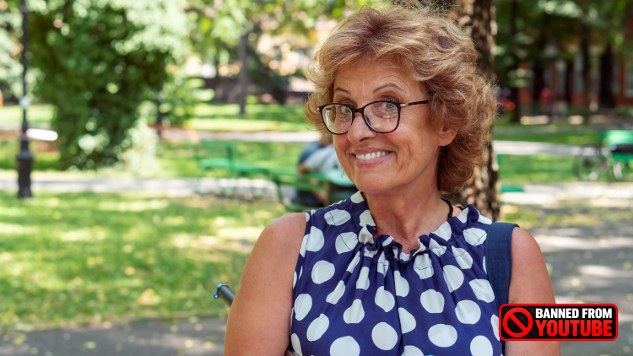
What if the so-called “inevitable” decline of aging isn’t inevitable at all? A new study in Nature Aging just threw a wrench into one of modern medicine’s favorite theories: that inflammation naturally worsens with age. Turns out, that only seems to happen if you live like most of us in the industrialized world—plugged in, stressed out, and boxed up. Meanwhile, Indigenous elders, untouched by our modern conveniences, age without that slow-burn internal fire we call inflammation. Maybe the problem isn’t age. Maybe it’s us.
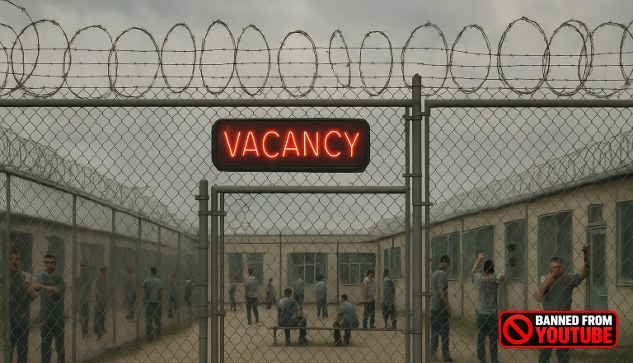
When Trump threatened to end birthright citizenship, it wasn’t just a headline-grabber—it was a flare shot over the bow of a sinking ship. We’re not watching immigration policy evolve; we’re watching it unravel into a civilizational panic. And the panic isn’t new. It’s the same one that’s been weaponized time and time again to keep the powerless fighting among themselves while the powerful cash their checks, hire undocumented workers, and blame brown babies for the chaos. Sound familiar? It should. This is America’s oldest grift, repackaged for the golden age of racism.
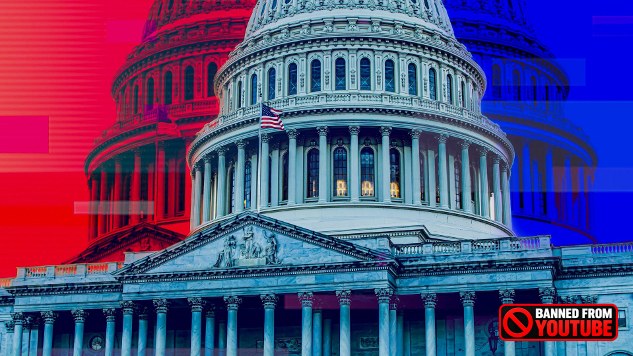
Donald Trump called it the “Big Beautiful Bill.” But for 16 million Americans about to lose their healthcare, it’s more like the Big Beautiful Betrayal. This isn’t policy; it’s political pickpocketing—disguised in stars and stripes. And just like a cheap magic trick, the real pain doesn’t hit until after the election. Funny how that works, isn’t it?
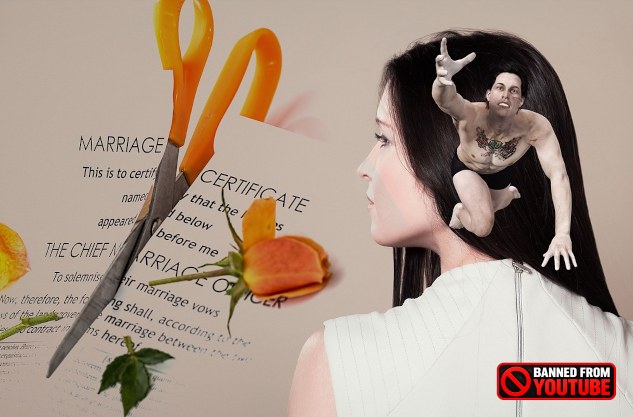
It’s in the air, isn’t it? The tension between genders. A war of words. A swirl of online rants and real-world frustrations. You scroll through social media and feel it—anger, sarcasm, blame. Somewhere along the way, conversation turned into confrontation. Misogyny isn’t just back; it’s louder, more organized, more shameless. But here’s the thing: behind the rage is a story. A human story. And understanding that story might be our only way out of the war zone.
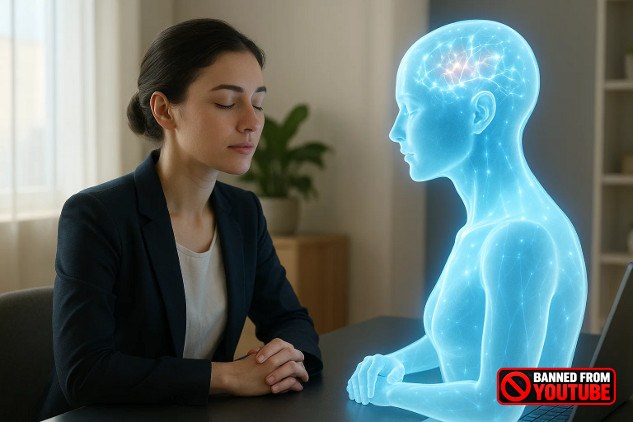
They told us AI would revolutionize everything, but they didn’t mention that your therapist might one day be a chatbot. That’s right—your next heart-to-heart could be with a string of code. The digital age has cracked open the door to AI therapy, with tools like ChatGPT and Claude stepping into the emotional arena. But before we outsource our inner demons to silicon, let’s pause and ask: Is this salvation or just another tech-fueled illusion?

When a nation begins to trade its freedom for fear, history warns us that the bargain rarely ends well. The subtle surrender of liberty is not always forced—it is often volunteered. We’ve seen this movie before, yet here we are again, watching the credits roll in real time. The image of a citizen handing over their wallet to a smiling strongman captures more than irony—it captures a national tragedy in the making.

Thinking in extremes—right or wrong, good or bad, black or white—may feel comforting, but it shackles your mind. Life is not a courtroom with a clear verdict; it’s a messy, complex, unpredictable story. Embracing gray thinking isn’t just smart—it’s necessary if we want to live with wisdom and empathy in an uncertain world. In this piece, we’ll unpack why black-and-white thinking is so seductive, how it distorts reality, and why shifting to gray thinking is a key to survival—both personal and collective.
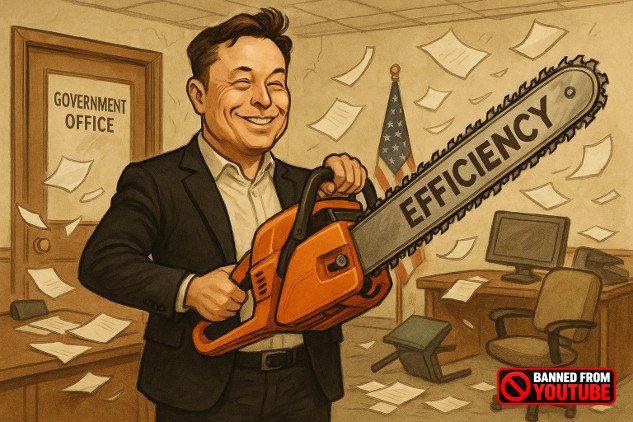
The Trump administration’s attempt to make the federal government leaner has turned into a costly lesson in what happens when ideology overrides competence. While politicians have spent decades railing about the supposed inefficiency of the U.S. government, the facts tell a different story. And now, with millions wasted on firing and then rehiring essential federal workers, it is clear who the real inefficiency peddlers are—and it is not the career public servants.

Once upon a time, the notion of learning while you sleep seemed like the ultimate life hack. Slip on some headphones, drift off to dreamland, and wake up fluent in French or a master of economics. It was a seductive promise—and a persistent one. But here’s the rub: modern science says the story is far more complicated. While true "sleep learning" doesn’t work the way many believe, there is a smarter, science-backed path using sleep and audio learning to genuinely boost your memory and understanding. And it’s far more effective than any 1950s sleep-learning record ever was.
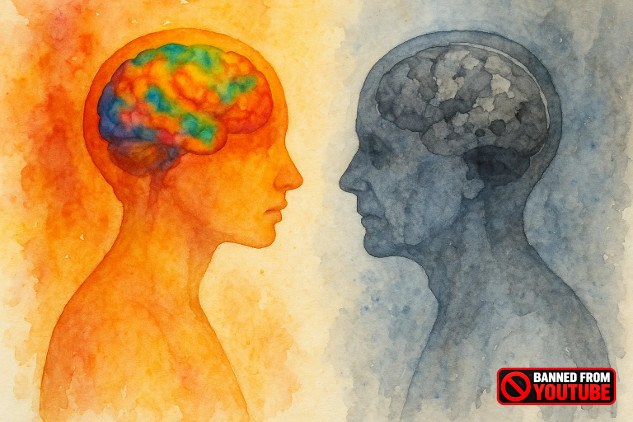
Frontotemporal dementia (FTD) attacks the very circuits that make us human — empathy, judgment, morality. In this eye-opening look at the “social brain,” neurologist Bruce Miller explains how behavioral changes are driven by neurodegeneration, not character flaws. Understanding the social brain helps us reframe how we view personality, free will, and compassion — both for patients and for ourselves.

The Supreme Court just handed the Trump-aligned Department of Government Efficiency (DOGE) access to the Social Security Administration’s deepest data vaults—while shielding DOGE from public oversight. If that doesn’t convince you that today’s Supreme Court is a menace to American democracy, I’m not sure what will. It’s time to stop pretending this Court is a neutral umpire. The solution? Expand the Court. Dilute the reactionary 6-3 bloc before it locks us into an authoritarian future.

In a world that feels more like a three-ring circus with each passing week, finding a clear path through the fog of headlines, false promises, and manufactured crises isn’t just smart—it’s necessary for survival. Enter the Personal Risk & Consequence Watchlist. No, it won’t predict the unknowable. But it will train your eye to watch the world with the kind of quiet wisdom that our ancestors used when deciding whether to plant the next crop—or grab the family and move to higher ground. The art of watching patterns is an old one. It’s time we bring it back.

It doesn’t take a tinfoil hat or a secret handshake to fall into a cult. It usually starts with a grievance—a feeling that something’s wrong, that the world doesn’t make sense anymore. Maybe it’s economic fear. Maybe it’s cultural confusion. Maybe it's just loneliness. But mix that with a charismatic leader, a manufactured enemy, and a message that says, “Only we can fix it”—and suddenly, you’ve got yourself a cult. MAGA didn’t invent the formula, but boy, did it refine it for the 21st century.
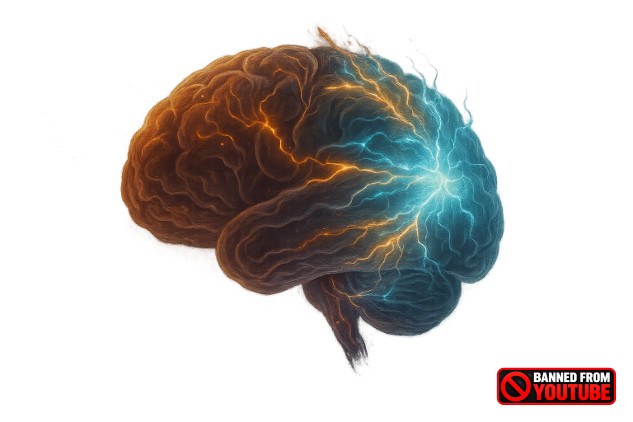
We’ve all heard it before—just breathe, be present, practice mindfulness. It’s like the modern answer to duct tape: fixes everything from stress to soul loss. But here’s a wild thought—what if mindfulness isn’t about zoning out but about rewiring the very system that governs how we function under pressure? Welcome to the intersection of neuroscience, anxiety, and something psychologists call “cognitive control.”
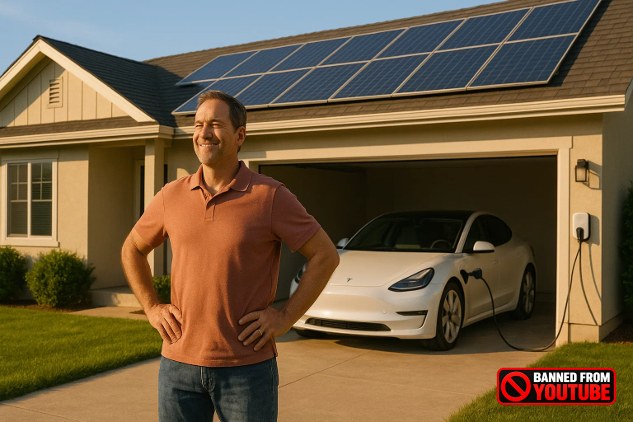
Electric cars might seem like the shiny, futuristic answer to climate change—and in many ways, they are. But their story didn’t start with Tesla, Elon Musk, or even lithium-ion batteries. No, the electric car’s history is long, winding, and filled with more political sabotage and oil-stained fingers than most people realize. From quiet carriages humming through 19th-century streets to Volvo’s latest hybrid marvels that sip fuel and soak up solar energy at home, the electric automobile is the comeback kid of the transportation world. And maybe, just maybe, the planet's best shot at redemption.

We like to think that our longevity is carved into our DNA, like some kind of cosmic lottery ticket. But here’s the kicker: science says otherwise. Genetics might nudge the scale, but your daily choices—those boring little habits you repeat or ignore—are doing most of the heavy lifting. That means your spoon, your sneakers, and even your sense of humor could matter more than Grandma’s birthday candles. If you want to live longer, it’s not about waiting on better genes. It’s about getting smarter with the ones you’ve got.
Page 7 of 18
When love begins to unravel, do you walk away or pick up the thread? “Thread By Thread” is about two people discovering that sometimes love survives not through grand...
Read more
What if winning didn’t require someone else to lose? “Winners Together” imagines a world where success is shared, justice matters, and there is room for everyone to rise.
Read more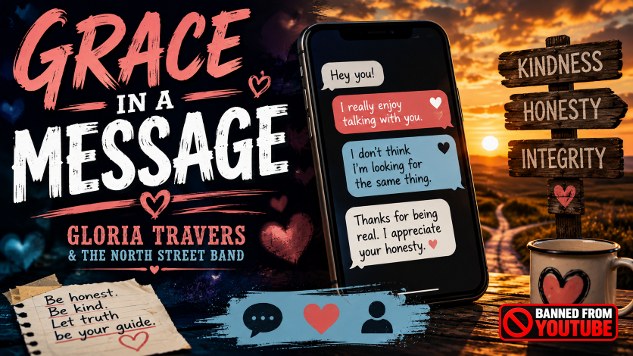
In a world of swipes, matches, texts and disappearing conversations, sometimes the most radical thing we can offer another person is simple kindness.
Read more
Some temptations don't announce themselves as trouble. They arrive softly, offering comfort, pleasure and the promise that just a little more won't hurt.
Read more
How much of yesterday are you still carrying today?
Read more