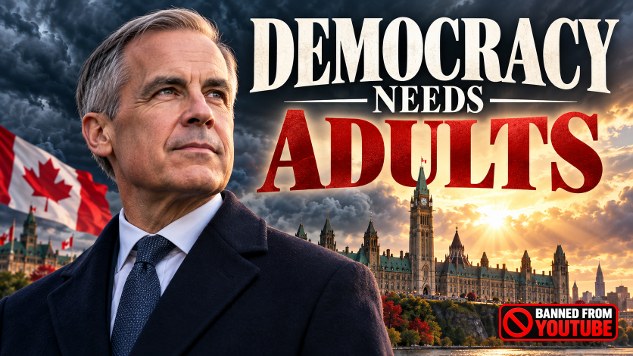
Mark Carney and the Kind of Leader Democracy Needs Right Now
Something unusual happened in Canadian politics recently. A central banker with no electoral history walked into one of democracy's rougher seasons and refused to pretend the...
Something unusual happened in Canadian politics recently. A central banker with no electoral history walked into one of democracy's rougher seasons and refused to pretend the...
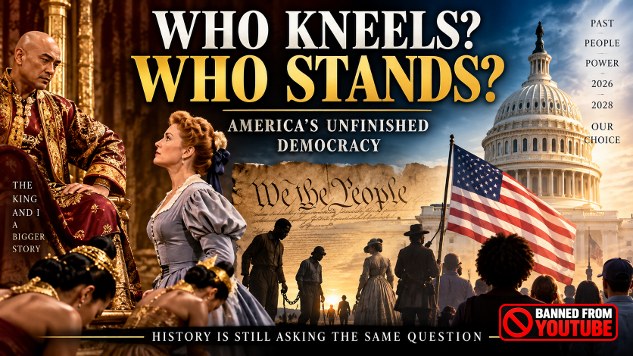
A familiar movie became a mirror. Watching The King and I again, something shifted, not in the film, but in the questions it started asking about power, kneeling, and who gets to...
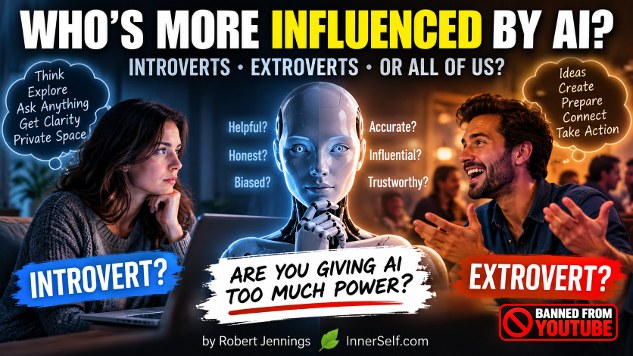
Can artificial intelligence figure out what kind of person you are simply from the way you talk to it? That question opens a far more unsettling one: can the patterns in your AI...
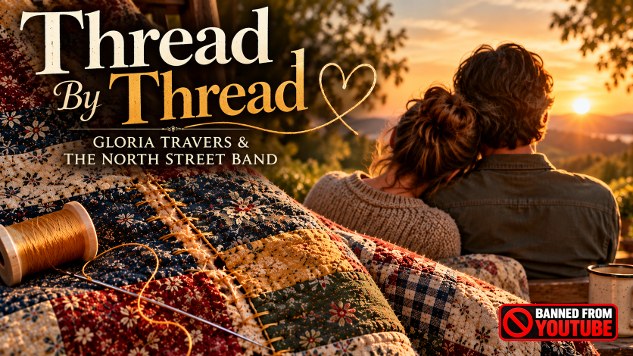
When love begins to unravel, do you walk away or pick up the thread? “Thread By Thread” is about two people discovering that sometimes love survives not through grand...

What if winning didn’t require someone else to lose? “Winners Together” imagines a world where success is shared, justice matters, and there is room for everyone to rise.
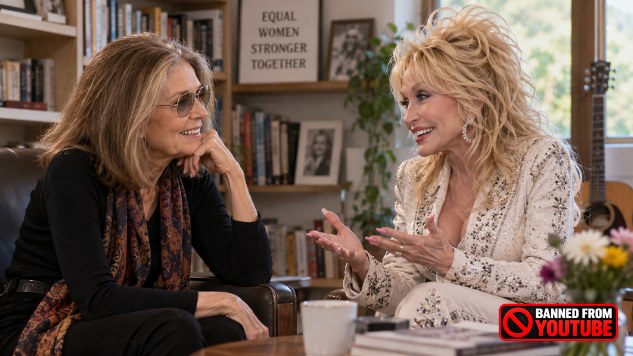
One burned her bra (metaphorically) and the other bedazzled hers. One marched on Washington and the other sang about a coat of many colors. And yet Gloria Steinem and Dolly...
Every morning is another chance to choose what stays with us and what we finally leave behind. “Born Again This Morning” is about discovering that a new beginning can be as...
Most of us have used AI as a smarter search engine, a faster typist, or a tireless explainer of things we half-understood. But something shifts when the AI stops being a stranger...

How much of yesterday are you still carrying today?
A familiar movie became a mirror. Watching The King and I again, something shifted, not in the film, but in the questions it started asking about power, kneeling, and who gets to...
Read more
Something unusual happened in Canadian politics recently. A central banker with no electoral history walked into one of democracy's rougher seasons and refused to pretend the...
Read more
The American welfare system was designed to support those in need, but it now faces significant challenges. Learn about its origins, current issues, and potential reforms,...
Read more
When love begins to unravel, do you walk away or pick up the thread? “Thread By Thread” is about two people discovering that sometimes love survives not through grand...
Read more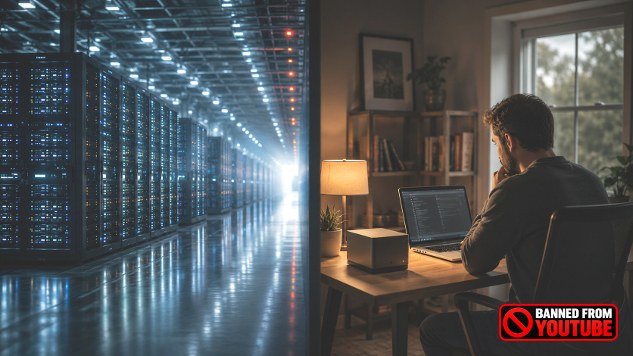
Somewhere in the back of my mind, a forgotten YouTube stranger planted a seed: AI didn't have to keep getting bigger. It took months of tinkering with small models on my own...
Read more
If you have ever wondered why obesity rates are highest in the places with the least money, the answer is not laziness or bad choices. It is a system working exactly as designed, shifting the cost of inequality onto the bodies of the people who can least afford it.
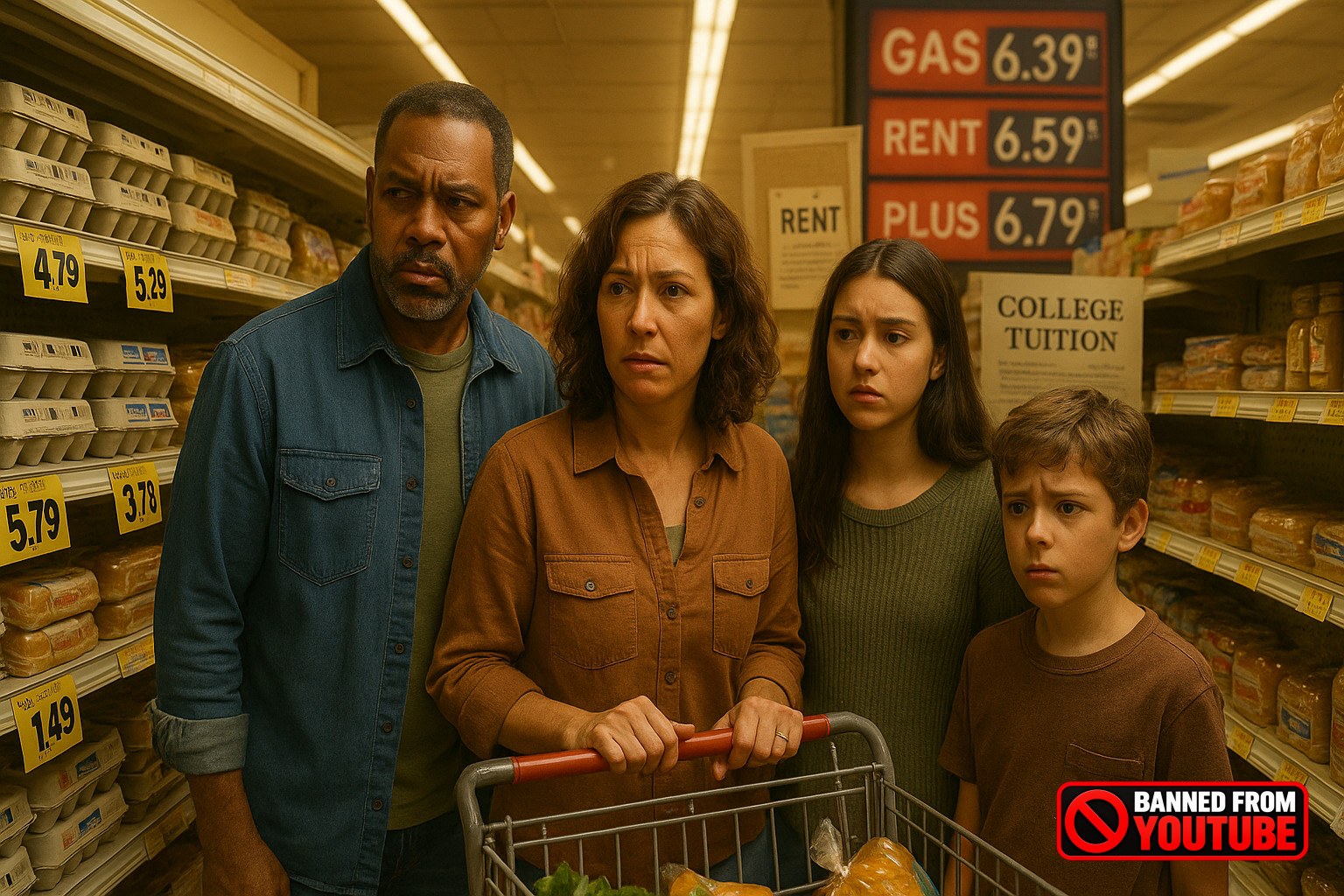
Inflation is the word everyone uses and almost no one fully understands. Your grocery bill goes up, the news blames the Federal Reserve, a politician blames the other party, and an economist writes a paper that takes three years to be proven wrong. The truth is messier, more interesting, and more useful than any of them will tell you.
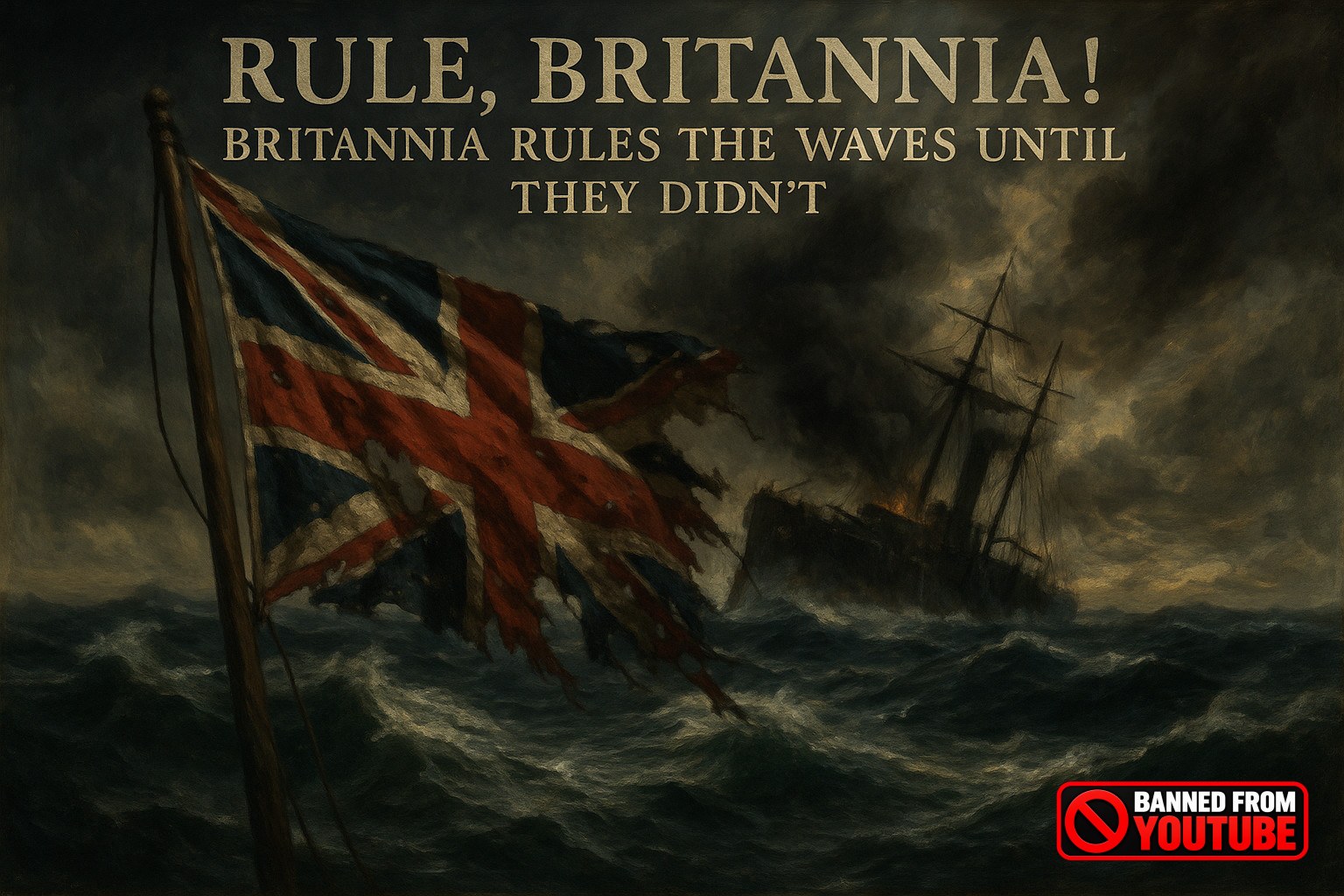
Seven prime ministers in roughly ten years. A housing crisis nobody can solve. A Brexit that promised sunlit uplands and delivered a trade barrier at Dover. Britain is not having a bad decade. Britain is having a reckoning it has been postponing since roughly 1945, and the bill is finally due.
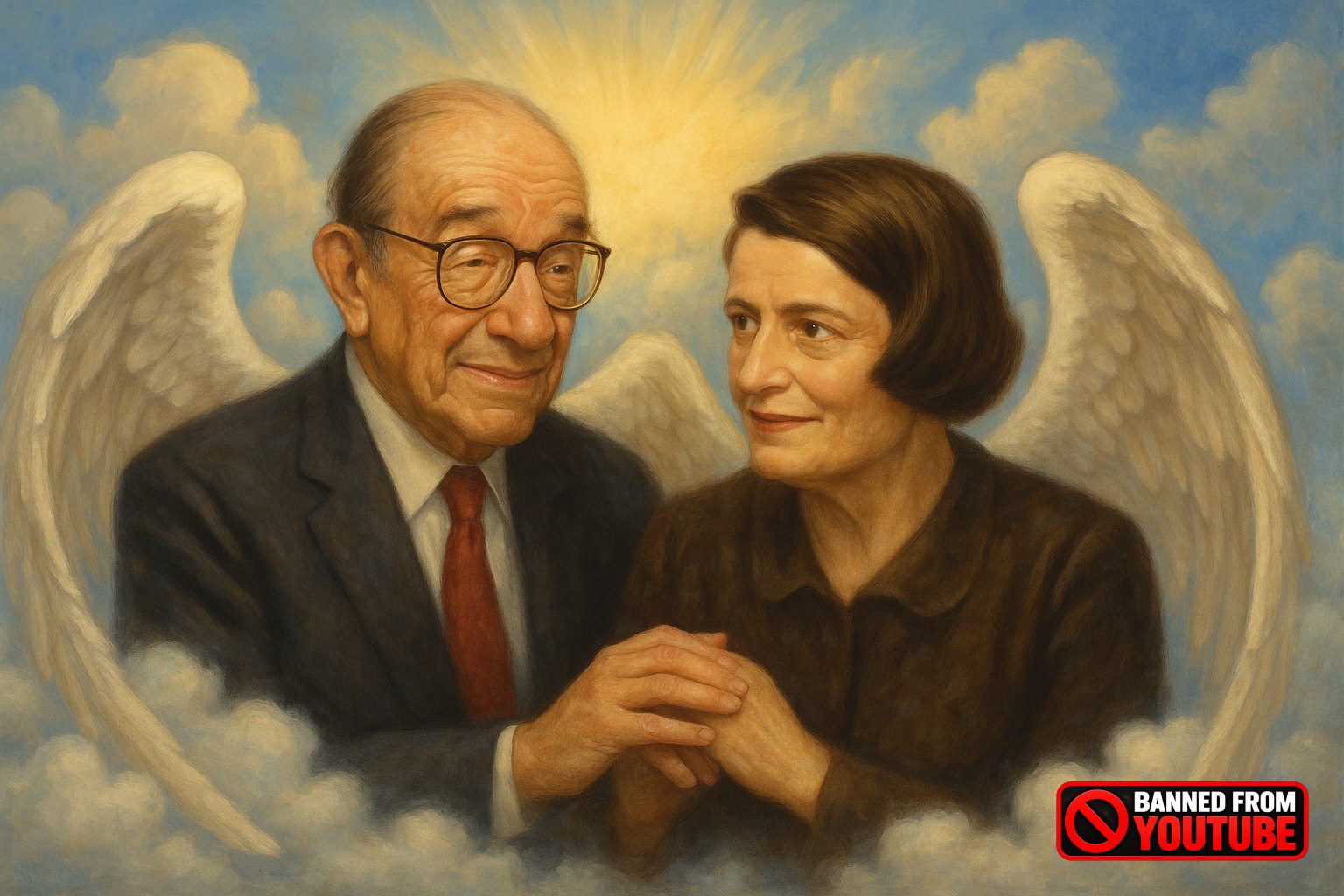
Alan Greenspan spent decades as the most powerful economist on earth, genuflecting at the altar of Ayn Rand and insisting that banks would regulate themselves because self-interest was its own kind of wisdom. Then the 2008 financial crisis happened, and he sat before Congress and admitted, more or less, that he had been wrong. It was a remarkable moment of honesty. It just came about twenty years too late.
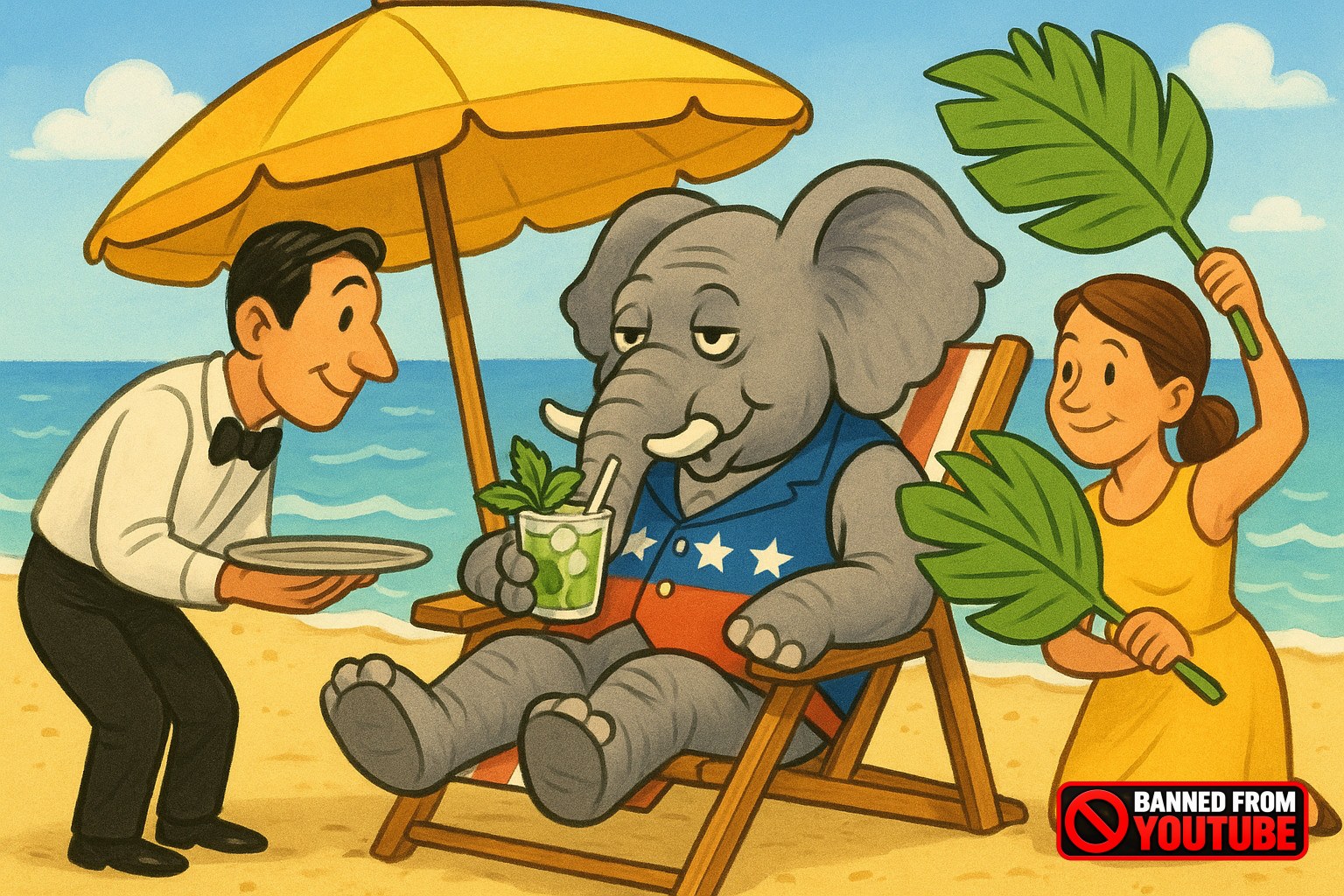
You were never handed this bill. That was the design. Spread across forty-six years and ten thousand ordinary transactions, no single charge ever looked like a policy, but added together they represent the most expensive thing that ever happened to your household. This article is the total, and it runs into the hundreds of thousands of dollars for most Americans, and well past a million for many.

In 1922, William Jennings Bryan gave a commencement address at the University of Florida Law School. My grandfather was in the audience. That family connection to one of America's great economic reformers raises a question that still stings: if Bryan were alive today, would he recognize a single thing being sold to us under his movement's name?
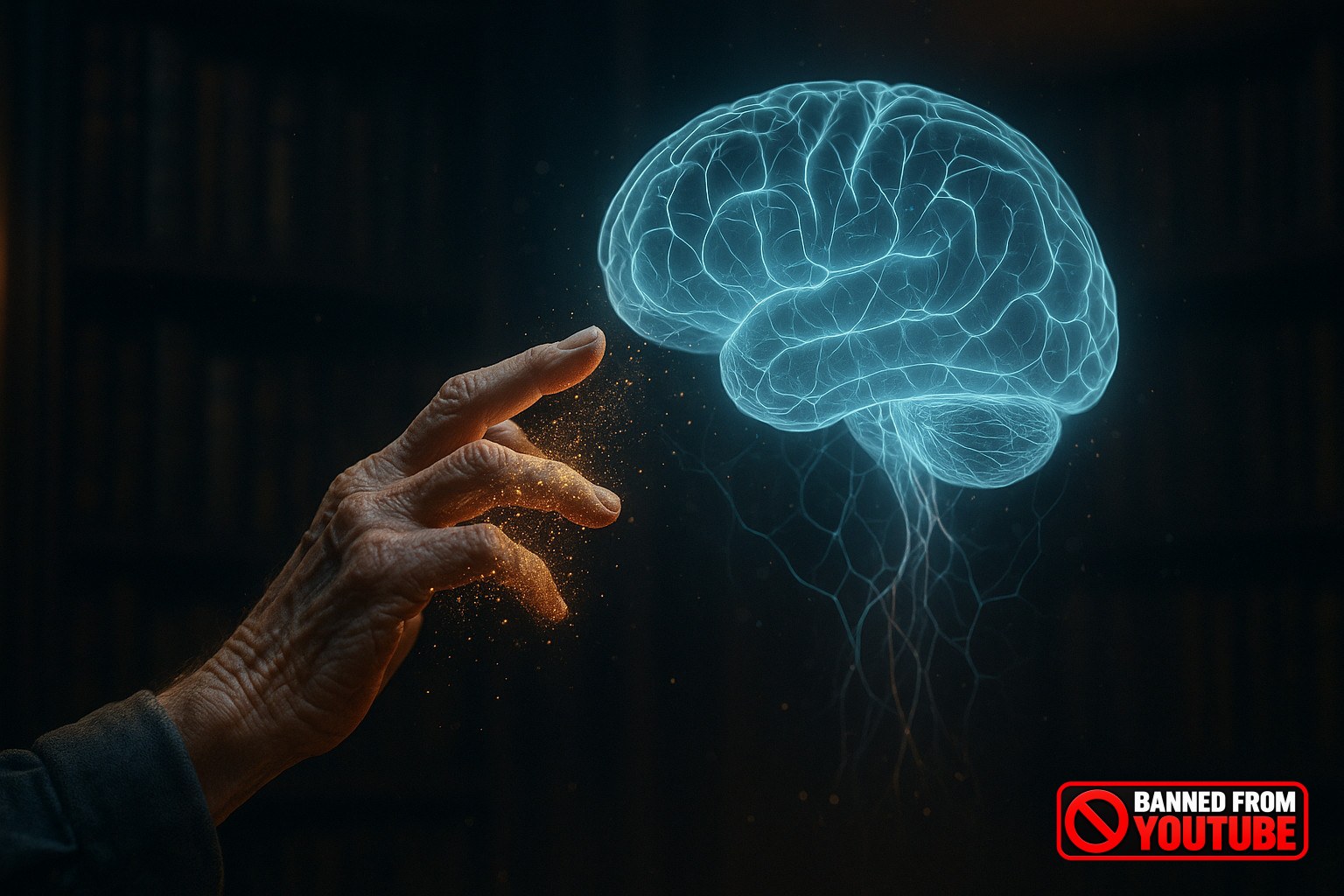
Every time a person dies, something irreplaceable vanishes with them. Not just a face, a voice, or a seat at the table — but decades of hard-won understanding that no book ever quite captured. AI may be the first technology in human history with a real shot at keeping that understanding alive.
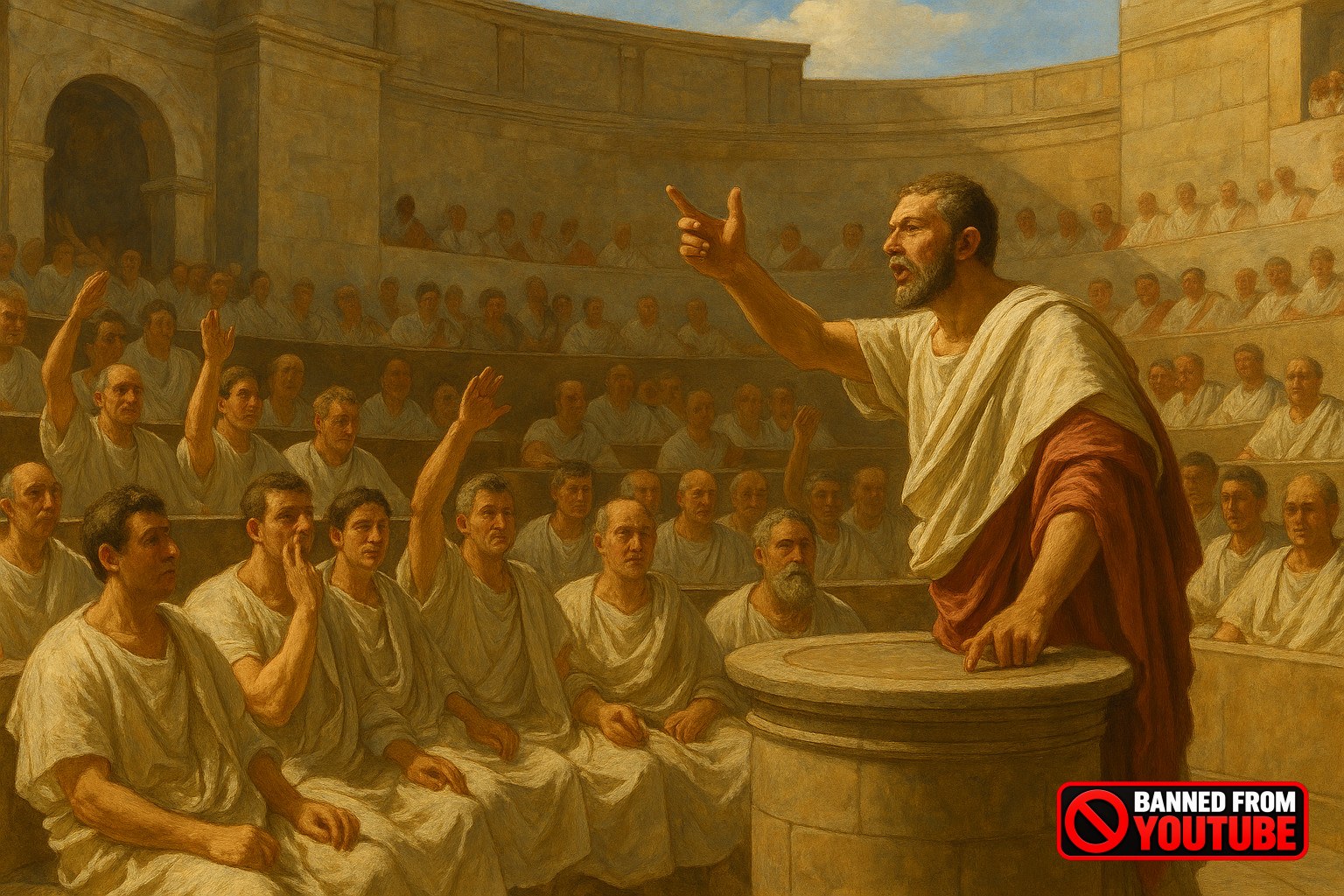
Democracy did not arrive in Athens one morning fully formed, like a gift from the gods. Human beings were limiting power, arguing about fairness, and building consensus long before anyone carved a law into stone. The story of democracy is not a straight line upward — it is a recurring argument, one that every generation inherits and must choose to continue.

Somewhere between the rally ticket and the ruptured friendship, between the crypto coin and the quiet erosion of your retirement account, there is a number. It is the amount you are personally willing to spend to have a leader like Donald Trump running the country. Most people have never added it up. This article asks you to try.

Food prices are not rising because of bad weather or supply chain gremlins. They are rising because a handful of corporations now control what you eat, what farmers grow, and what grocery stores charge — and nobody in Washington is losing sleep over it. Time to stop waiting for permission and start digging.

You pick up your phone, search for a pair of shoes, and the price you see is not the price your neighbor sees. Same shoes, same website, same moment in time, different number on the screen. That is not a glitch. That is the system working exactly as designed. Welcome to surveillance pricing, the practice that knows more about your wallet than your accountant does, and uses every bit of it against you.

Under an administration that spent four years shouting "drill, baby, drill," U.S. greenhouse gas emissions dropped to their lowest levels in decades. Global renewable energy adoption is now accelerating at a pace that would have seemed impossible just five years ago, and the man most responsible for that acceleration never planted a single tree or installed any solar panels. This is the story of how one presidency, through sheer force of dysfunction, did more to advance the climate movement than a generation of polite environmental legislation ever managed.

Somewhere around their seventies, a lot of people start shrinking in ways that have nothing to do with height. They grip things a little less firmly. They hesitate at curbs. They stop trusting their own legs. Medicine has a name for this: frailty. And here is the part nobody tells you plainly enough — most of it is not inevitable, and a surprising amount of it is reversible with tools so simple they seem almost insulting.

There is an angel in the literature of loss who stands at the gate looking back at something beautiful that cannot be recovered. Thomas Wolfe borrowed the image, Milton made it immortal, and if you pay attention to American history with clear eyes, you will feel it too. Not rage, not contempt, but grief. The specific grief of watching something that could have been extraordinary choose, again and again, to be something meaner. This article asks the question that grief eventually forces: if we are the intelligent species, the one with moral reasoning and self-awareness and language, why are we the most catastrophically effective killers on earth, and what does physics have to say about the bill coming due?

My yard man understood inflation in sixty seconds, but the financial press establishment has spent months obscuring what any working person can grasp immediately: the difference between year-over-year and month-over-month inflation tells you whether prices are stabilizing or accelerating dangerously.

The average American household now spends over $2,000 a year on electricity — and that number is climbing fast. In some areas of the country it is much more. A big reason most people don't know about: AI data centers are consuming staggering amounts of power, and utilities are passing those costs directly to residential customers. Virginia, Texas, Georgia, and the Carolinas are already feeling it hardest.

After one year as pope, Robert Francis Prevost has already shattered expectations. The American Augustinian who spent decades in Peru, mediating disputes and serving the poor, brought something unexpected to the Petrine office: a mathematician's precision paired with a prophet's directness. He was supposed to be cautious. Instead, he became the first pope willing to openly confront the most powerful government on earth.

Joseph Goebbels was not the architect of Nazi ideology but its master salesman, and he documented his methods with precision. The techniques he developed to manufacture consent and control reality did not die with the Third Reich. They evolved, adapted, and now operate at scale across American politics, media, and digital platforms with ruthless efficiency.

Artificial intelligence has moved from science fiction into our daily lives, and resistance is no longer a viable strategy. The question is not whether AI will shape our future, but how we can intentionally build a relationship with this technology that enhances rather than diminishes our humanity. Learning to collaborate with AI tools while preserving what makes us uniquely human is the defining skill of our era.
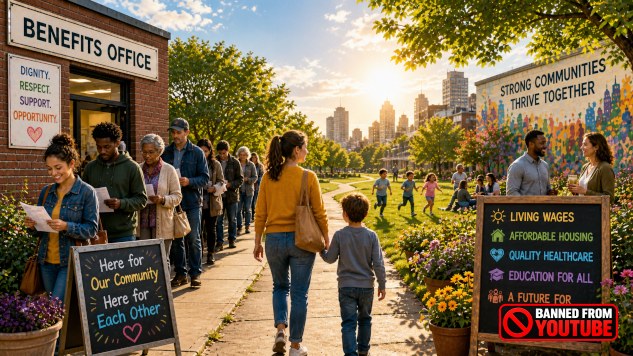
We like to think of welfare as compassion—food stamps, rent relief, and heating aid helping people through hard times. But if that were enough, why does the need keep growing generation after generation. Maybe the problem is not that we have too little welfare, but that we built an economy that depends on it. The question is not how to fix welfare, but how to make it unnecessary.
Page 2 of 18
When love begins to unravel, do you walk away or pick up the thread? “Thread By Thread” is about two people discovering that sometimes love survives not through grand...
Read more
What if winning didn’t require someone else to lose? “Winners Together” imagines a world where success is shared, justice matters, and there is room for everyone to rise.
Read more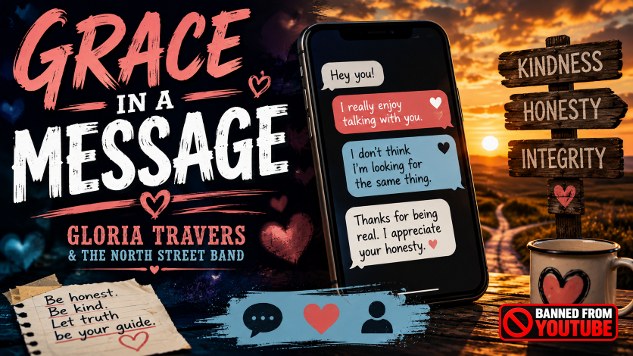
In a world of swipes, matches, texts and disappearing conversations, sometimes the most radical thing we can offer another person is simple kindness.
Read more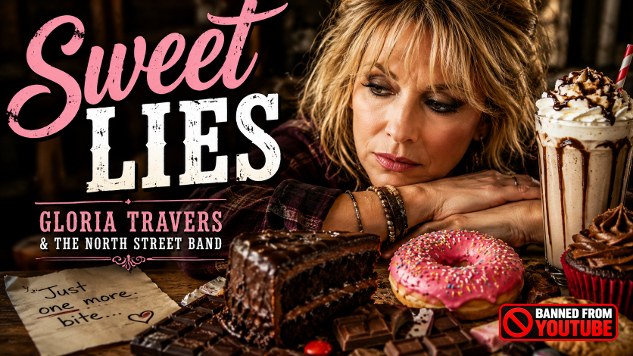
Some temptations don't announce themselves as trouble. They arrive softly, offering comfort, pleasure and the promise that just a little more won't hurt.
Read more
How much of yesterday are you still carrying today?
Read more